
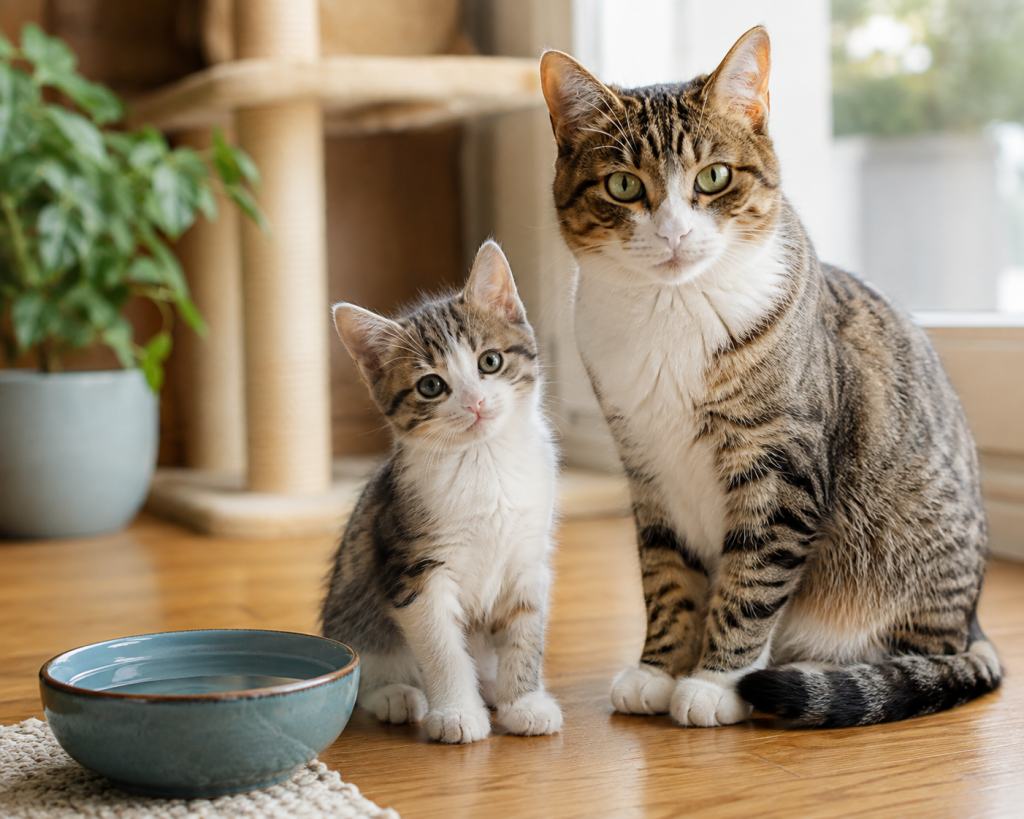
Good cat health and wellness changes throughout life. A kitten needs different nutrition, preventive care, supervision, and behavioral support from an adult cat. Later, mature and senior cats often need closer monitoring for weight changes, dental disease, pain, mobility problems, and chronic illness. The best care plan therefore evolves with the cat rather than remaining the same for life.
The 2021 AAHA/AAFP Feline Life Stage Guidelines divide cats into four age-related stages: kitten from birth to 1 year, young adult from 1 through 6 years, mature adult from 7 through 10 years, and senior over 10 years. They also recognize end-of-life as a separate stage that can occur at any age.
Age is only one part of feline health, however. Lifestyle, body condition, genetics, environment, nutrition, behavior, previous illnesses, and access to preventive veterinary care can all influence an individual cat’s needs. A healthy indoor 12-year-old may require a very different plan from another cat of exactly the same age.
This guide explains the foundations of lifelong feline wellness, including veterinary visits, nutrition, vaccination, dental care, parasite prevention, weight management, exercise, environmental enrichment, litter box habits, grooming, and the health changes that become more important at different stages.
Understanding the Stages of a Cat’s Life
Life stages provide a useful framework because health priorities change as cats develop. During kittenhood, growth, vaccination, parasite control, nutrition, social development, and learning are major concerns. Young adulthood shifts attention toward maintaining an ideal body condition, healthy routines, dental care, and preventing lifestyle-related problems.
Between 7 and 10 years, cats enter the mature adult stage under the AAHA/AAFP framework. This is an important period for recognizing subtle changes before they become more obvious. Senior cats over 10 years often need closer monitoring for chronic disease, pain, mobility changes, weight loss, blood pressure changes, and quality of life.
These categories should guide observation rather than create rigid expectations. Cats do not suddenly become unhealthy on a particular birthday. The goal is to adapt care gradually as risks and physical needs change.
Veterinary Care Is the Foundation of Feline Wellness
Cats can appear healthy while developing medical problems that are difficult for owners to recognize at home. Routine veterinary examinations create opportunities to assess body condition, teeth, heart and lungs, skin, eyes, ears, mobility, behavior, and other aspects of health before obvious illness develops.
Merck Veterinary Manual recommends at least yearly examinations for adult cats. Kittens usually need several appointments during their first months, while older cats often benefit from visits every six months or more frequently depending on health.
A veterinary visit should not only happen when a cat is visibly ill. Preventive appointments are also useful for reviewing nutrition, vaccination, parasite exposure, behavior, dental health, weight trends, and changes in daily routine.
Regular examinations become especially important because cats often hide signs of illness. Small changes in appetite, grooming, jumping, litter box habits, or social behavior may be the first clues that something is changing.
Kitten Health and Wellness: Birth to 1 Year
Kittenhood is one of the fastest periods of development. A kitten grows physically while also learning how to interact with people, other animals, household environments, and everyday experiences.
The AAHA/AAFP life-stage guidance emphasizes preventive care during this stage, including vaccination, parasite control, nutrition, socialization, behavior development, and early dental care.
A healthy start does not guarantee lifelong health, but it can establish strong routines. Veterinary care, appropriate nutrition, safe exploration, positive handling, and careful observation all matter during the first year.
Kitten Veterinary Visits
Young kittens generally require several veterinary appointments rather than one initial checkup. Merck Veterinary Manual notes that kittens commonly visit the veterinarian every three to four weeks until around six months of age.
These visits allow the veterinary team to monitor growth, discuss nutrition, administer appropriate vaccines, assess parasite risk, examine development, and answer questions about behavior and household care.
Bring any medical records from the breeder, shelter, rescue, or previous caregiver. Vaccine history, deworming information, medication records, and the exact food being fed can help the veterinarian create a more accurate plan.
Do not wait until the next scheduled appointment if a kitten becomes significantly unwell. Young animals can deteriorate quickly when they stop eating, experience severe vomiting or diarrhea, or become unusually weak.
Vaccination During Kittenhood
Vaccination helps protect kittens against important infectious diseases. The appropriate schedule depends on age, previous vaccination history, lifestyle, geographic location, and individual risk.
The AAHA/AAFP vaccination guidelines recommend individualized assessment rather than treating every cat as having identical exposure. Life stage, environment, and lifestyle are among the factors veterinarians consider when building a vaccination plan.
Some vaccines are considered broadly important, while others depend more heavily on risk. Your veterinarian may ask whether your kitten will live exclusively indoors, travel, live with other cats, or have potential contact with animals of unknown health status.
Follow the schedule created for your kitten rather than assuming one early vaccination provides lifelong protection.
Parasite Prevention for Kittens
Kittens can be exposed to intestinal parasites, fleas, ticks, and other parasites depending on their environment. Preventive strategies vary with geographic location, lifestyle, and individual risk.
A veterinarian may recommend fecal testing, deworming, flea prevention, or other parasite-control measures. Products should be selected carefully because age and weight restrictions matter.
Never assume that a product labeled for dogs is also safe for cats. Cats can react very differently to certain chemicals, so use only products appropriate for the species and individual animal.
Regular veterinary care makes it easier to adjust parasite protection as the kitten grows and its lifestyle changes.
Feeding a Growing Kitten
Kittens need more energy and certain nutrients relative to their size than adult cats because they are supporting rapid growth. Merck Veterinary Manual notes that kittens require additional calories, protein, fat, vitamins, and minerals and should receive food formulated for growth.
Young kittens often benefit from several meals during the day. Merck suggests three to four meals daily for kittens younger than about four months, with feeding frequency gradually decreasing as they grow.
Choose a complete and balanced food appropriate for kitten growth rather than assuming any cat food will work. Complete diets are designed to provide the nutrients required for a specific life stage.
Do not add vitamin or mineral supplements routinely unless your veterinarian recommends them. Unnecessary supplementation can disturb the balance of an otherwise appropriate diet.
Monitoring Kitten Growth
Healthy kittens should gain weight and develop steadily, but faster is not always better. Body condition matters alongside the number on the scale.
Your veterinarian can monitor growth during routine visits and help adjust feeding amounts if the kitten becomes too thin or begins gaining excessive body fat.
Poor growth, persistent diarrhea, repeated vomiting, a swollen abdomen, low energy, or a significant loss of appetite deserves veterinary attention.
Regular observation at home can make changes easier to notice. Weighing a kitten periodically can also be useful when recommended by your veterinary team.
Social Development and Mental Wellness
Physical health is only one part of kitten wellness. Early experiences can influence how comfortable a cat becomes with people, handling, transportation, grooming, veterinary care, household noises, and changes in the environment.
Positive, controlled exposure is more useful than forcing a frightened kitten into overwhelming situations. The goal is to build confidence and familiarity.
Provide appropriate play, climbing opportunities, hiding areas, scratching surfaces, and resting places. Cats need environments where they can feel safe and perform normal behaviors. FelineVMA and ISFM guidance identifies environmental security as a core component of feline well-being.
Good behavioral foundations can make future care easier because a cat that tolerates handling, carriers, and household routines may experience less stress during necessary activities.
Spaying and Neutering
Reproductive management should be discussed with your veterinarian during kittenhood. Timing can depend on the individual cat, health status, and veterinary recommendations.
Spaying or neutering prevents unintended reproduction and may form part of the preventive health plan discussed during early veterinary care. The AAHA/AAFP life-stage guidance includes reproductive management among kitten-stage considerations.
Microchipping can also be discussed at this stage. Identification remains valuable even for indoor cats because doors, windows, transport carriers, and emergencies can create unexpected escape opportunities.
Keep registration details updated whenever your phone number or address changes.
Young Adult Cat Health: 1 to 6 Years
Young adulthood can feel like the easiest life stage because many cats appear strong, active, and healthy. This is exactly why preventive care can be overlooked.
Under the AAHA/AAFP framework, cats between 1 and 6 years are young adults. The goal during this stage is to preserve good health while monitoring for early changes in body condition, dental health, behavior, and lifestyle.
An adult cat should not need to become visibly sick before seeing a veterinarian. Merck recommends at least annual full examinations for adult cats.
This is also an ideal period to build habits that may protect health later, such as portion control, regular play, dental care, and monitoring normal litter box behavior.
Keeping an Adult Cat at a Healthy Weight
Weight control is one of the most important long-term health responsibilities for adult cats. A cat that gradually gains small amounts over several years can become overweight without the change feeling dramatic to the owner.
Measured meals make calorie intake easier to monitor than repeatedly topping up a bowl without tracking consumption. Treats, table food, and edible enrichment also contribute to daily calories.
Look at body condition rather than relying only on scale weight. Your veterinarian can show you how to assess fat coverage, waist shape, and muscle condition.
Weight loss also deserves attention. Unplanned loss can be associated with medical problems, especially when it occurs alongside increased thirst, appetite changes, vomiting, or other symptoms.
Choosing the Right Adult Cat Food
A healthy adult cat generally needs a complete and balanced food designed for adult maintenance. Merck emphasizes that complete diets provide the nutrients a healthy cat requires for the intended life stage.
Wet and dry foods can both form part of an appropriate diet when properly formulated. The best choice depends on the individual cat, health needs, preferences, feeding routine, and veterinary advice.
Do not choose food solely because of marketing terms or one attractive ingredient. Evaluate whether the diet is nutritionally appropriate and whether your cat maintains good body condition while eating it.
If your cat develops a medical condition, the nutritional plan may need to change. Therapeutic diets should be selected with veterinary guidance.
Water Intake and Hydration
Fresh water should always be accessible. Some cats prefer wide bowls, multiple water locations, or moving water from a fountain.
Water intake can also vary depending on whether the diet contains mostly dry or wet food. The important point is to recognize your cat’s normal pattern.
A sudden increase in drinking can be medically important, especially in mature or senior cats. Increased thirst may accompany conditions such as chronic kidney disease, among other disorders. International Cat Care notes that chronic kidney disease becomes more common in middle-aged and older cats.
Do not restrict water simply because a cat begins drinking more. Investigate the reason instead.
Dental Health Throughout Adulthood
Dental care should not begin only after a cat develops severe bad breath or difficulty eating. Oral health should be monitored throughout life.
During veterinary examinations, the mouth can be checked for plaque, inflammation, damaged teeth, pain, and other changes. Home dental care may also be recommended depending on what your cat tolerates.
Introduce handling gradually. Cats that learn to accept gentle mouth contact early may be easier to manage later.
Reduced appetite, dropping food, chewing on one side, pawing at the mouth, or sudden resistance to facial handling can indicate oral discomfort and deserve veterinary attention.
Exercise and Play Are Health Care
Indoor cats need opportunities to move, climb, chase, scratch, explore, and use hunting-related behaviors. Play is not only entertainment; it contributes to physical activity and mental stimulation.
Short interactive play sessions can imitate parts of a hunting sequence. Wand toys and moving objects encourage stalking, chasing, and pouncing without teaching the cat to attack human hands.
Puzzle feeders can add mental engagement to normal feeding. Research summarized by International Cat Care reports that puzzle feeders can be used by cats of different ages and abilities, including kittens and senior cats.
The environment should also provide secure resting and hiding areas. A cat’s ability to feel safe is central to positive feline welfare.
Indoor vs. Outdoor Lifestyle
Lifestyle influences health risk. Merck Veterinary Manual notes that outdoor cats can encounter traffic, fights, harmful substances, predators, parasites, and infectious disease exposure that indoor cats can avoid.
Keeping a cat indoors can therefore reduce several important risks. However, indoor living still needs to meet behavioral needs.
Provide climbing structures, window observation, scratching surfaces, interactive play, hiding areas, and opportunities to explore safely.
A physically safe environment that offers no stimulation can still result in poor welfare. The goal is both safety and behavioral opportunity.
Litter Box Habits as a Health Indicator
Your cat’s litter box is one of the most useful places to monitor everyday health.
By scooping regularly, you become familiar with normal urine clump size, stool appearance, and frequency. Sudden changes can alert you to potential problems.
Repeated straining, frequent trips, blood in urine, urination outside the box, constipation, diarrhea, or dramatic changes in urine volume deserve attention.
A cat that repeatedly tries to urinate but produces little or no urine requires urgent veterinary evaluation because urinary obstruction can become life-threatening.
Grooming and Skin Health
Cats generally groom themselves effectively, but regular observation can reveal changes. Brushing can help remove loose hair and gives you a chance to check the skin, coat, and body.
ASPCA recommends regular brushing or combing as part of general cat care. It can help keep the coat clean and reduce loose hair.
Watch for bald areas, excessive licking, dandruff, wounds, parasites, unusual lumps, greasy coat, or reduced grooming.
A cat that suddenly stops grooming may be experiencing pain, obesity, illness, or reduced mobility. Excessive grooming can also occur with skin disease, discomfort, or behavioral stress.
Mature Adult Cat Health: 7 to 10 Years
Cats between 7 and 10 years are classified as mature adults under the current AAHA/AAFP life-stage framework.
Many still look and behave much like younger adults. However, this stage deserves increased awareness because age-related diseases may begin developing before obvious symptoms appear.
Pay particular attention to body weight, muscle condition, dental health, mobility, thirst, urination, appetite, grooming, and changes in normal behavior.
A small change that persists for weeks can matter more than one unusual day.
Weight Changes Become More Important
Unexplained weight loss should not be considered a normal part of getting older. A mature cat may lose body weight or muscle before other signs of illness become obvious.
Weigh your cat periodically and compare trends rather than relying on memory. A thick coat can make gradual weight changes difficult to see.
Weight gain matters too. A less active mature cat can gain excess fat if calorie intake stays unchanged.
Discuss body condition and muscle condition during veterinary visits so that diet can be adjusted before changes become extreme.
Monitor Drinking and Urination
Changes in thirst become increasingly important during mature adulthood. Chronic kidney disease, for example, can occur at any age but is more commonly seen in cats over 7.
You might notice that the water bowl empties faster, urine clumps become larger, or the litter box needs cleaning more often.
Do not assume that increased drinking is simply part of aging. Report persistent changes to your veterinarian.
Likewise, frequent small urine clumps, straining, or urination outside the box require attention for different reasons.
Mobility Changes Can Be Subtle
Cats do not always limp dramatically when they experience joint discomfort. Instead, they may stop jumping to high places, hesitate before climbing stairs, sleep in easier-to-reach locations, or become less willing to play.
Owners can mistake these changes for laziness or normal aging.
If your cat stops using a favorite window perch or begins choosing lower furniture, consider whether movement has become uncomfortable.
A veterinary examination can help distinguish behavioral preference from pain or another physical problem.
Senior Cat Health: Over 10 Years
Under the current AAHA/AAFP life-stage definition, cats over 10 years are considered senior.
Senior cats deserve closer monitoring because the likelihood of chronic disease increases with age. The AAFP Senior Care Guidelines specifically address pain, nutrition, weight management, age-related conditions, quality of life, and end-of-life care.
Merck recommends veterinary examinations approximately every six months for older cats, although individual cats may need more frequent appointments.
The aim is not to assume that every senior cat is ill. Instead, more frequent observation can help identify treatable problems earlier.
Senior Cats Should Not Simply Be “Slowing Down”
Aging can change activity, but major behavioral or physical changes should not automatically be accepted as inevitable.
Difficulty jumping may reflect joint pain. Weight loss may indicate disease. Nighttime vocalization can accompany sensory or cognitive changes. Increased thirst can point toward medical problems.
Cats frequently hide discomfort, which makes changes in routine particularly valuable.
If your senior cat stops doing something they have done comfortably for years, ask why rather than simply attributing it to age.
Senior Cat Nutrition
There is no single diet that is best for every senior cat. Nutritional needs depend on body condition, muscle mass, activity, dental health, and medical conditions.
Some senior cats gain weight as activity decreases. Others lose weight or muscle and need a different nutritional approach.
The AAFP Senior Care Guidelines emphasize nutrition and weight management as central parts of senior feline health.
Do not automatically reduce food because your cat is older. Unexpected weight loss deserves investigation.
Kidney Health in Older Cats
Chronic kidney disease is an important concern in older cats. International Cat Care notes that CKD becomes more common in middle-aged and older animals.
Possible changes can include increased thirst and urination, reduced appetite, weight loss, vomiting, or lower energy, although symptoms vary.
Regular veterinary monitoring may help identify abnormalities before severe signs appear.
If your cat starts drinking noticeably more water, do not restrict access. Contact your veterinarian and describe the change.
Joint Health and Arthritis
Joint disease becomes increasingly relevant with age. Older cats may become reluctant to jump, climb, groom difficult areas, or use litter boxes with high sides.
Merck Veterinary Manual reports that osteoarthritis is common in older cats and can be associated with changes in mobility and muscle condition.
Adapt the home if movement becomes difficult. Low-entry litter boxes, ramps, steps, and comfortable resting areas can help.
However, environmental adjustments should accompany veterinary assessment rather than replace it. Pain management and diagnosis require professional guidance.
Making the Home Easier for Senior Cats
Senior cats may continue enjoying the same environment if important resources become easier to access.
Place food, water, litter boxes, and resting areas where your cat does not need to climb difficult stairs or make large jumps. Merck recommends making essential resources easy to reach for older cats.
Provide warm, supportive sleeping places and consider steps or ramps to favorite furniture.
Avoid assuming that a cat no longer wants to use a favorite location. They may simply be unable to reach it comfortably.
Dental Health in Senior Cats
Dental problems can become more significant with age. A senior cat may continue eating despite oral discomfort, especially if pain develops gradually.
Watch for dropping food, chewing differently, reduced appetite, pawing at the mouth, bad breath, or resistance to facial handling.
Merck notes that dental disease becomes an important concern in older cats.
Regular examinations allow the veterinarian to evaluate the mouth and discuss whether dental treatment is appropriate.
Behavior Changes in Older Cats
Senior cats can develop changes in sleep, vocalization, social interaction, litter box use, and orientation.
A cat that begins wandering or calling at night may have sensory changes, pain, medical disease, or age-related cognitive changes. These possibilities cannot be distinguished reliably from behavior alone.
Sudden irritability or aggression can also occur when handling becomes painful.
Any meaningful change from your cat’s normal personality deserves attention, particularly when it appears with physical symptoms.
Health Care for Cats at Every Age
Although specific priorities change with age, several principles remain valuable throughout life.
Feed a complete and balanced diet appropriate for the cat’s life stage and health. Maintain access to fresh water. Keep the cat at an appropriate body condition and provide opportunities for normal movement and play.
Schedule regular veterinary examinations, follow individualized vaccination and parasite-prevention recommendations, and monitor dental health.
Just as importantly, learn what normal behavior looks like for your individual cat. Health changes are easier to recognize when you know the baseline.
Creating a Healthy Indoor Environment
A healthy environment supports both physical and emotional well-being. Cats need secure resting places, hiding areas, scratching opportunities, elevated locations, food, water, toileting areas, and appropriate play.
Feline welfare guidance emphasizes that cats must feel safe within their environment before positive well-being can develop.
In multi-cat households, distribute resources so one animal cannot easily control everything another cat needs.
Provide choice whenever possible. One cat may prefer a high sleeping perch, while another chooses a covered bed at floor level.
Stress and Physical Health
Behavioral and physical health are closely connected. Household changes, conflict with another cat, limited resources, lack of hiding opportunities, or unpredictable routines can affect feline well-being.
At the same time, medical problems can look behavioral. A cat that hides may be stressed, but it may also be painful or ill.
This is why sudden behavioral changes deserve thoughtful investigation rather than immediate assumptions.
Improve environmental security while also considering whether veterinary evaluation is needed.
How to Recognize Pain in Cats
Cats may not cry or visibly limp when they are uncomfortable. Pain can instead appear as reduced movement, hiding, irritability, decreased grooming, reluctance to jump, changes in sleep, or resistance to being touched.
Watch for differences from normal behavior.
If your cat used to jump onto the bed but now waits on the floor, that small change can be useful information.
Never give human pain medication unless a veterinarian specifically directs you to do so. Cats can be extremely sensitive to medications that people commonly use.
Appetite Changes Should Be Taken Seriously
Cats can occasionally eat less for minor reasons, but persistent appetite loss should not be ignored.
Young kittens and cats with existing medical problems can become especially vulnerable when they stop eating.
If appetite loss occurs with vomiting, diarrhea, weakness, weight loss, pain, or another significant symptom, contact your veterinarian.
A cat that refuses food completely or seems seriously unwell should receive prompt professional assessment.
Litter Box Warning Signs
Litter box behavior can reveal changes long before an owner recognizes another symptom.
Pay attention to repeated straining, unusually frequent visits, blood, very small urine amounts, constipation, diarrhea, or sudden house-soiling.
A cat repeatedly attempting to urinate but producing little or no urine requires urgent veterinary attention.
Do not assume that a cat avoiding the box is acting out. Pain, mobility problems, digestive disease, urinary disease, stress, or an unsuitable setup may be involved.
Coat and Grooming Changes
A healthy cat’s coat and grooming habits provide useful clues to overall wellness.
A cat that suddenly stops grooming may have pain or reduced mobility. Excessive licking can occur with skin disease, parasites, discomfort, or behavioral stress.
Regular brushing allows you to notice lumps, skin irritation, wounds, hair loss, and changes in coat quality. ASPCA recommends regular brushing as part of routine feline care.
Show new or changing lumps to your veterinarian rather than trying to diagnose them by appearance.
Vaccination Throughout Life
Vaccination needs do not remain identical throughout a cat’s entire life.
AAHA/AAFP vaccination guidance emphasizes individualized risk assessment based on life stage, environment, and lifestyle.
An exclusively indoor adult cat and a cat that travels or has outdoor exposure may not have exactly the same risk profile.
Your veterinarian can determine which vaccines are appropriate and how often they should be administered.
Parasite Prevention Throughout Life
Parasite exposure also varies. Indoor cats can still encounter fleas or other parasites through other pets, people, insects, or accidental outdoor exposure.
Geography matters, particularly for risks involving mosquitoes, ticks, and regional parasites.
Discuss the appropriate preventive plan with your veterinarian rather than assuming a cat needs every product or no protection at all.
Review the plan periodically when lifestyle or health changes.
When Should a Cat See the Veterinarian?
Healthy adult cats should generally receive regular veterinary examinations at least annually, while senior cats commonly benefit from more frequent visits. Merck recommends yearly adult examinations and approximately twice-yearly or more frequent care for older cats.
However, scheduled appointments should never delay care when a cat becomes ill.
Contact your veterinarian when you notice persistent appetite changes, unexplained weight loss, increased thirst, vomiting, diarrhea, abnormal urination, difficulty moving, significant behavior changes, breathing changes, pain, or persistent hiding.
You know your cat’s normal routine better than anyone. A meaningful deviation from that routine is worth taking seriously.
Signs That May Require Urgent Veterinary Care
Some symptoms should not wait for a routine appointment.
Seek urgent veterinary care if your cat:
- Has difficulty breathing
- Collapses or becomes extremely weak
- Experiences seizures
- Cannot stand normally
- Has major trauma
- Repeatedly vomits and becomes unwell
- Strains to urinate but produces little or no urine
- May have swallowed a toxin or dangerous object
- Shows severe uncontrolled pain
The urgency depends on the circumstances, so contact an emergency veterinary service when you are unsure whether a serious symptom can safely wait.
Quality of Life Matters at Every Stage
Wellness is not defined only by laboratory results or the absence of a diagnosis.
A cat should have opportunities to eat comfortably, rest, move, groom, use the litter box, interact according to preference, and engage in enjoyable behavior.
Senior-care guidance places increasing emphasis on quality of life alongside management of disease, pain, nutrition, and frailty.
Quality-of-life discussions are not only for the final days of life. They can guide decisions about pain control, mobility support, environmental changes, and treatment much earlier.
End-of-Life Care
End-of-life is recognized as a separate life stage that can occur at any age, although it is more common in older cats.
When a cat develops advanced or irreversible disease, veterinary care may increasingly focus on comfort, pain management, appetite, mobility, hygiene, and the ability to enjoy normal activities.
There is no single perfect moment for every family or cat. Decisions depend on the disease, response to treatment, comfort, and overall quality of life.
Your veterinarian can help you evaluate changes objectively and discuss available options compassionately.
Common Cat Health Mistakes
One common mistake is waiting for obvious illness before scheduling veterinary care. Cats can hide disease remarkably well, which makes preventive examinations useful.
Another is assuming that every behavior change is psychological. Hiding, aggression, house-soiling, or reduced interaction can all have medical explanations.
Overfeeding is another common problem. Treats and unlimited portions can gradually change body condition even when the main food is nutritionally appropriate.
Finally, owners sometimes accept pain or mobility decline as inevitable aging. Age increases risk, but discomfort still deserves investigation and management.
Frequently Asked Questions About Cat Health and Wellness
How Often Should a Healthy Cat Go to the Vet?
Healthy adult cats should generally receive a veterinary examination at least once each year. Merck recommends annual adult checkups, while kittens need more frequent appointments and older cats often benefit from visits every six months or more frequently.
The exact schedule should still reflect the cat’s health and risk factors.
At What Age Is a Cat Considered Senior?
The 2021 AAHA/AAFP Feline Life Stage Guidelines classify cats over 10 years old as senior. Cats from 7 through 10 years are considered mature adults.
These stages guide care but do not mean every cat ages identically.
How Can I Tell if My Cat Is Healthy?
Look at the overall pattern. A healthy cat generally maintains a stable body condition, normal appetite, comfortable movement, normal litter box habits, regular grooming, and typical social and play behavior.
However, appearance alone cannot replace veterinary examinations because some diseases produce few early visible signs.
What Are the First Signs That a Cat May Be Sick?
Early signs can be subtle and vary by disease. Changes in appetite, weight, thirst, urination, grooming, activity, hiding, movement, or normal social behavior can all matter.
The most important clue is often a change from your cat’s normal routine.
Is It Normal for Senior Cats to Sleep More?
Senior cats may rest more, but a major increase in sleep or decrease in engagement should not automatically be considered normal aging.
Pain, chronic disease, reduced mobility, and other conditions can also reduce activity.
If the change is significant or appears alongside weight loss, appetite changes, thirst changes, or other symptoms, contact your veterinarian.
Do Indoor Cats Still Need Veterinary Care?
Yes. Indoor living reduces certain risks but does not prevent dental disease, obesity, kidney disease, urinary problems, arthritis, endocrine disorders, or many other medical conditions.
Indoor cats still benefit from preventive examinations and individualized vaccination and parasite-risk discussions.
Should Cats Eat Different Food as They Age?
Cats should eat food appropriate for their current life stage and health needs. Kittens need growth nutrition, while healthy adults usually require adult maintenance diets.
Senior cats do not all need the same food. Body condition, muscle mass, activity, dental health, and medical conditions should guide the decision.
How Can I Help My Cat Live a Healthy Life?
Focus on the basics consistently. Feed an appropriate complete diet, maintain healthy body condition, provide fresh water, encourage play and normal feline behavior, maintain litter box hygiene, monitor dental health, and schedule regular veterinary care.
Most importantly, learn your cat’s normal behavior so you can recognize changes early.
Supporting Cat Health From Kittenhood to the Senior Years
The foundation of cat health and wellness is not one supplement, one perfect food, or one veterinary test. It is the combination of preventive care, appropriate nutrition, a healthy environment, normal physical activity, dental care, weight monitoring, behavioral well-being, and attention to subtle changes.
During kittenhood, priorities include healthy growth, vaccination, parasite control, social development, and establishing good routines. Young adults benefit from maintaining ideal body condition and preventive care, while mature cats need increasingly careful monitoring for changes that may signal emerging disease. Senior cats often require more frequent examinations and greater attention to mobility, pain, nutrition, weight, chronic illness, and quality of life.
No two cats age in exactly the same way. A life-stage framework helps you know what to watch for, but the cat in front of you should always guide the final plan.
Watch appetite, weight, drinking, urination, stool, grooming, play, movement, sleep, and social behavior. These ordinary daily habits can reveal important changes before a cat appears obviously ill.
Most importantly, do not dismiss persistent changes simply because your cat is getting older, stressed, or naturally independent. Cats are good at hiding discomfort, and small changes can sometimes carry important information.
With thoughtful home care and regular veterinary support, you can adapt your cat’s care through every stage of life and give them the strongest possible foundation for long-term health, comfort, and well-being.