
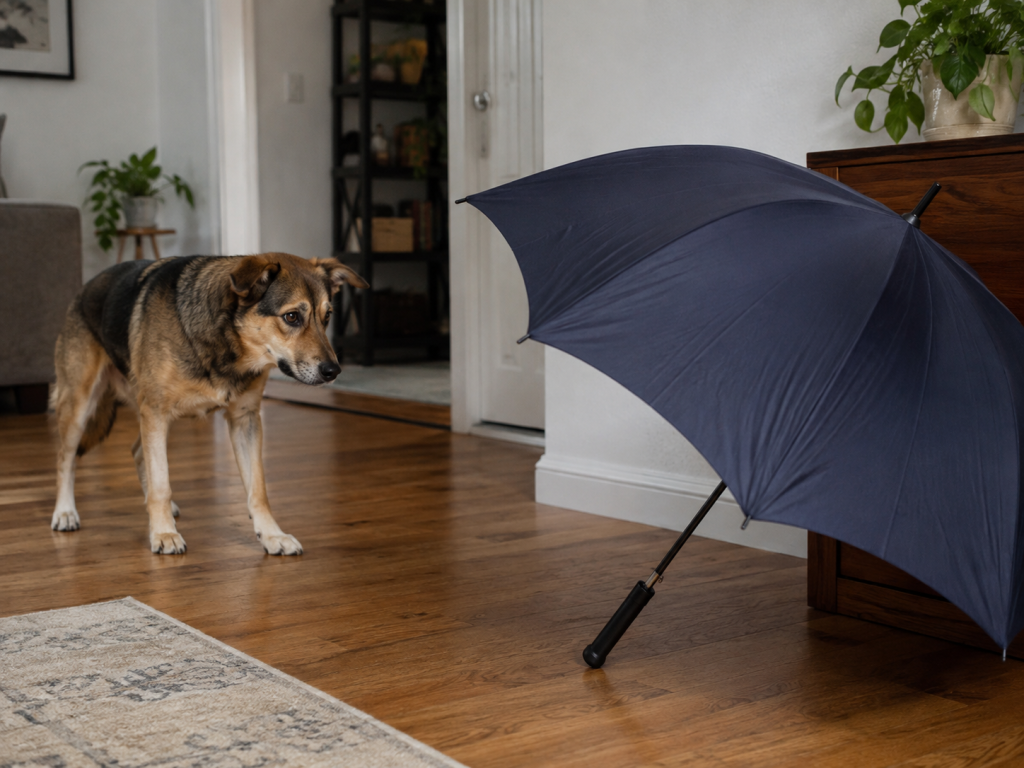
Dogs suddenly become afraid of everyday objects for several possible reasons, including a startling experience, vision or hearing changes, pain, or age-related cognitive changes. In many cases, the cause is a specific, identifiable trigger that you can pinpoint with a little careful thought and observation. In others, it can point to something worth discussing with a veterinarian.
Because this behavior can have several very different explanations, it helps to look closely at when it started and what else has changed. This guide walks through the most common causes and how to tell them apart.
If you have been asking, “why is my dog suddenly afraid of everyday objects,” you are not alone. This is a common concern among dog owners, and most cases have a reasonable, manageable explanation once you know what to look for.
Common Reasons Dogs Suddenly Fear Familiar Objects
Several distinct explanations can produce the same outward behavior. Working through them one at a time usually clarifies what is happening, and often points toward a clear next step.
A Single Startling Experience
Dogs can develop a fear response after just one frightening moment. A loud noise, an unexpected fall, or a painful bump near an object can create a lasting negative association. This is one of the most common explanations for sudden object fear.
Once this association forms, a dog may generalize the fear to similar-looking objects. A fear of one umbrella, for example, can spread to anything with a similar shape or motion.
This kind of learning happens quickly in dogs, sometimes after just one exposure. It is one reason a seemingly small incident can produce a surprisingly strong and lasting reaction.
Changes in the Object Itself
Sometimes the object has genuinely changed. A new sound, an unfamiliar smell, or a different position in the room can make a previously familiar item seem unrecognizable. Dogs rely heavily on pattern recognition, so small changes can matter more than owners expect.
Moving a piece of furniture, changing a batteries-powered toy, or even a new coat of paint can be enough. To your dog, a familiar object in an unfamiliar state can feel like something entirely new.
Anxiety Spreading to New Triggers
Dogs with existing anxiety sometimes develop new fears over time. A dog who already startles easily may begin reacting to objects that never bothered them before. This pattern often reflects a broader anxiety issue rather than a reaction to one specific object.
If your dog has shown increasing sensitivity to noise, movement, or new situations in general, take note. The object itself may simply be the latest trigger, rather than the true underlying cause.
Vision or Hearing Changes
Declining vision or hearing can make familiar objects seem unfamiliar or startling. A dog who cannot see clearly may perceive a coat rack or trash can as an unknown, potentially threatening shape.
This cause is especially common in older dogs, though it can occasionally affect younger dogs with an underlying medical condition. Dim lighting or dusk hours often make this type of fear more noticeable, since visibility is already reduced.
Pain or Physical Discomfort
Pain can change how a dog interprets the world. A dog in pain may associate an object with a moment of discomfort, even if the object itself was not the actual cause of that discomfort. Joint pain, dental pain, or an injury can all contribute to unusual fear responses.
For example, a dog who bumped into a table while experiencing hip pain may begin avoiding that table specifically. This avoidance can persist long after the initial pain has faded.
Cognitive Changes in Senior Dogs
In older dogs, new fears can sometimes relate to canine cognitive dysfunction, a condition similar in some ways to dementia in humans. According to PetMD, sudden behavior changes in senior dogs, including new fears, are worth discussing with a veterinarian, since they can reflect underlying cognitive or medical changes.
This does not mean every senior dog with a new fear has cognitive dysfunction. It simply means the possibility is worth ruling out, especially if the fear appears alongside confusion or disorientation. A veterinarian can screen for this during a routine senior wellness visit.
ALT TEXT: Dog showing sudden fear of an everyday household object.
Is This Normal, or a Warning Sign?
Understanding the difference between common, manageable fear and a sign of a deeper issue helps you respond appropriately, without over-worrying or under-reacting.
Normal or Common Behavior
Occasional caution around a new or altered object is normal. Many dogs show brief hesitation before approaching something unfamiliar, then relax once they investigate it. This kind of mild wariness is simply healthy caution, not true fear.
Possible Explanations
A single scary experience, a change in routine, or general anxiety are common, non-medical explanations. These usually improve with patience and gentle, positive exposure over time. Most dogs recover from this kind of fear within a few weeks of consistent, calm practice.
Warning Signs
Some patterns suggest more than simple fear. These signs are worth tracking closely over the following few days. Watch for:
- Fear that appears suddenly across many unrelated objects
- Bumping into furniture or objects, suggesting vision changes
- Signs of pain, such as limping or reluctance to move
- Disorientation, confusion, or getting “stuck” in corners
- Fear paired with other new behavior changes
When to Contact a Veterinarian
If you notice several warning signs together, especially in an older dog, a veterinary visit is the appropriate next step. A veterinarian can check for pain, vision or hearing loss, and cognitive changes during a thorough physical exam. A fear-focused approach alone cannot address these underlying causes.
Trying to train away a fear that is actually rooted in undiagnosed pain or a medical issue rarely works well. Addressing the underlying medical cause first gives any behavior support a real, lasting chance to succeed.
Sudden Fear Across Life Stages
This behavior can look different depending on your dog’s age.
Puppies
Puppies are still learning about the world, and brief fear reactions to new objects are a normal part of development. Gentle, positive exposure usually resolves these fears quickly. This period is sometimes called a fear period, and it is a well-recognized part of normal puppy development.
Adult Dogs
In adult dogs, sudden fear more often points to a specific triggering event or a developing anxiety pattern. Because adult dogs typically have an established baseline, a clear behavior change is easier to notice. This makes it easier to trace the fear back to a specific incident or timeframe.
Ask yourself what changed around the time the fear started. A new visitor, a loud storm, or a rearranged room are all common starting points worth considering.
Senior Dogs
In senior dogs, new fears deserve closer attention. Vision loss, hearing loss, joint pain, and cognitive changes all become more common with age, and any of them can contribute to sudden fear responses.
According to MedVet, a network of veterinary specialty hospitals, cognitive dysfunction can cause confusion and new anxieties in senior pets, making familiar surroundings feel unfamiliar or unsettling.
What Not to Do When Your Dog Is Scared
A few common, well-meaning reactions can unintentionally make the fear worse over time.
- Avoid forcing your dog to approach the object directly
- Do not punish fearful behavior, since this adds stress rather than resolving it
- Avoid repeatedly exposing your dog to the trigger all at once, known as flooding
- Do not laugh at or dismiss the fear, even if it seems irrational to you
These responses can deepen the fear or damage your dog’s trust in you during an already stressful moment. Even well-meaning reassurance delivered the wrong way, such as excessive comforting during a panic response, can sometimes reinforce the fear instead of easing it.
How to Help Your Dog Feel Safe Again
For fear rooted in a specific trigger, a calm, gradual approach usually works best and holds up over the long term.
- Let your dog observe the object from a safe distance
- Pair calm exposure with treats or praise
- Increase closeness gradually, over several sessions
- Avoid rushing the process, even if progress feels slow
- Keep your own reaction calm and neutral
- End each session on a positive note, before your dog becomes overwhelmed
This approach, sometimes called desensitization, works by rebuilding a positive association step by step. Consistency matters more than speed.
If progress stalls or the fear seems too intense to manage at home, a certified trainer or veterinary behaviorist can guide you through a more structured plan. There is no shame in asking for help early. Some fears genuinely need more support than home practice alone can reasonably provide.
When to See a Veterinarian
While many cases of sudden fear resolve with time and patience, certain signs call for professional evaluation rather than home management alone.
Certain patterns call for a veterinary visit sooner rather than later. Consider scheduling one if you notice:
- Sudden fear affecting many different objects at once
- Signs of disorientation or confusion
- Bumping into furniture or missing familiar pathways
- Signs of pain, such as limping, stiffness, or reluctance to move
- Fear appearing alongside appetite, sleep, or house-training changes
From there, a veterinarian can check for underlying medical causes. If needed, they can refer you to a certified veterinary behaviorist for a structured treatment plan. Bringing notes on when the fear started and what else has changed can help the appointment go more smoothly. A short video of the actual reaction, if you can safely capture one, can also be genuinely useful for the visit.
Frequently Asked Questions
Can a dog’s fear of an object go away on its own?
Sometimes, especially with mild, situational fear. However, gentle guidance usually speeds up recovery and prevents the fear from generalizing further into other areas of daily life.
Is it common for senior dogs to develop new fears?
Yes. Vision changes, hearing loss, joint pain, and cognitive decline all become more common with age, and any of these can contribute to new or worsening fears.
Should I remove the object from my home?
Temporarily, if it reduces stress while you work on gradual exposure. Permanently avoiding it is not necessary once your dog has relearned that it is safe, though there is no rush to get there.
Can sudden fear be a sign of pain?
Yes. Pain can change how a dog interprets its surroundings, so unexplained new fears are worth mentioning at a veterinary visit, especially if other signs of discomfort are present.
Can medication help with severe fear reactions?
In some cases, yes. A veterinarian may recommend anti-anxiety medication alongside behavior modification for dogs with intense or widespread fear, especially when it noticeably affects daily quality of life for the whole household.
Is it possible for a fear to spread to more objects over time?
Yes, this is called generalization. Without gentle intervention, a fear of one object can gradually extend to similar objects, situations, or environments. Early, calm intervention is the best and most reliable way to prevent this spread.
Key Takeaway
So, why is my dog suddenly afraid of everyday objects? The explanation usually ranges from a single startling moment to age-related changes worth a closer look. Paying attention to timing, additional symptoms, and your dog’s age helps you tell simple fear apart from a deeper issue.
If the fear is sudden, widespread, or paired with other noticeable changes, a veterinarian is the best next step to take. With patience and the right support, most dogs regain their confidence around the objects that once felt safe.