
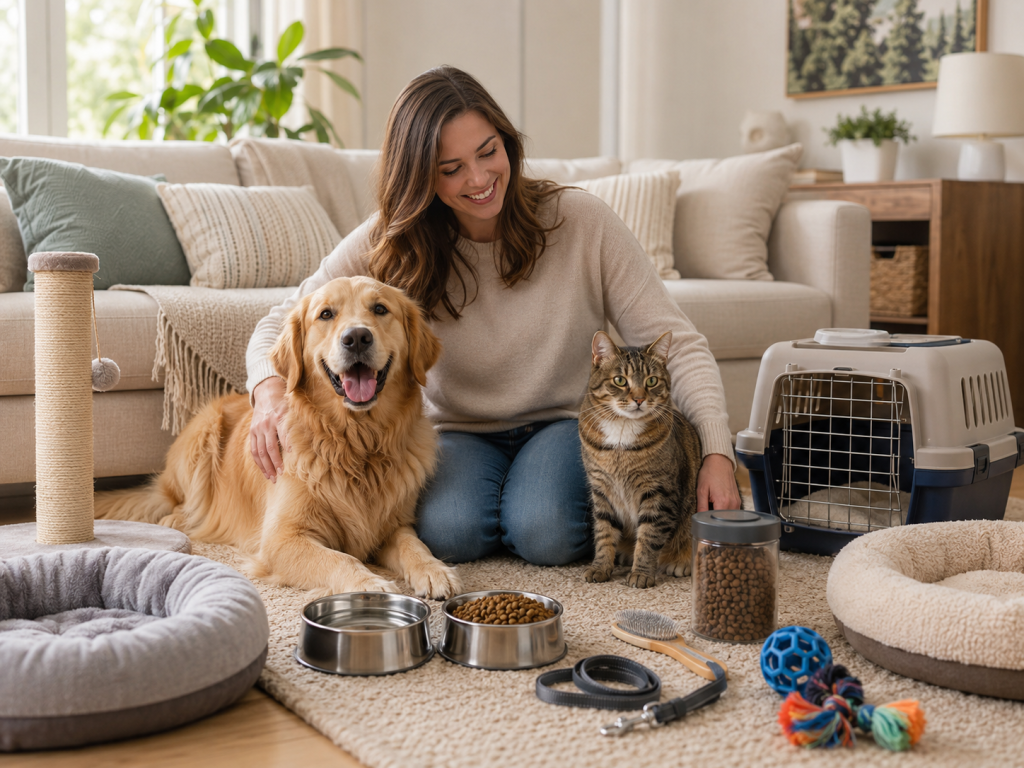
General pet care means meeting an animal’s physical, nutritional, behavioral, emotional, and preventive health needs throughout every stage of life. For dogs and cats, this includes appropriate food, fresh water, veterinary checkups, vaccinations, parasite prevention, dental care, grooming, exercise or play, safe housing, mental stimulation, and careful monitoring at home. Modern preventive veterinary care considers the whole animal rather than focusing only on vaccines or treating disease after obvious symptoms develop.
Dogs and cats share many basic needs, but they are not interchangeable. Their nutritional requirements, social behavior, exercise needs, litter or bathroom routines, and ways of communicating can differ substantially. A good care routine therefore combines general principles with adjustments for the individual pet’s species, age, health, lifestyle, and personality.
Learning what is normal for your own pet is equally important. Subtle changes in appetite, drinking, elimination, movement, sleep, grooming, body weight, or behavior can sometimes provide the first indication that veterinary attention is needed.
Start With Regular Veterinary Care
Routine veterinary examinations are one of the foundations of responsible pet care.
Preventive visits allow veterinarians to assess body weight, body condition, dental health, heart and lung function, skin, coat, mobility, nutrition, behavior, vaccination status, and parasite risk. They can also identify changes that may not yet be obvious at home.
Merck Veterinary Manual recommends examinations every few weeks for puppies and kittens until approximately 20 weeks of age, followed by at least annual examinations for dogs and cats. Older pets and animals with chronic disease may require more frequent monitoring.
Preventive care should therefore continue even when a pet looks completely healthy.
Feed a Complete and Appropriate Diet
Nutrition affects growth, body condition, muscle, skin, coat, energy, and long-term health.
Dogs and cats should normally receive nutritionally complete food appropriate for their species and life stage. Puppies and kittens need diets designed for growth, while most healthy adults need maintenance nutrition.
The best feeding plan also depends on the individual animal. WSAVA recommends an individually tailored nutritional approach because age, health, activity, body condition, and lifestyle can all influence nutritional requirements.
Do not select food based only on attractive packaging, trends, or one ingredient.
Dogs and Cats Have Different Nutritional Needs
Dog food and cat food are not interchangeable as long-term diets.
Cats have specialized feline nutritional requirements that differ from those of dogs. Dogs also have nutritional needs that change with growth, adult maintenance, pregnancy, lactation, activity, and health.
Choose food specifically designed for the species you are feeding.
A dog stealing a few pieces of cat food or a cat occasionally tasting dog food is different from using the wrong species’ food as the primary long-term diet.
Measure Food Portions
Overfeeding can happen gradually.
A bowl that looks only slightly fuller each day can add substantial calories over months. Treats, chews, table scraps, and food used during training also contribute to total intake.
Use feeding guidelines as a starting point rather than an absolute prescription.
Monitor body weight and body condition, then adjust portions according to veterinary guidance and your pet’s actual response. WSAVA emphasizes ongoing nutritional assessment rather than relying on a single fixed feeding amount throughout life.
Maintain a Healthy Body Weight
Healthy weight is an important part of preventive care.
Excess body fat can reduce mobility and overall wellbeing, while unexpected weight loss may indicate inadequate nutrition or disease.
Weigh your pet periodically when practical.
Body condition is also important because two animals of the same weight can have very different amounts of body fat and muscle.
Ask your veterinarian what healthy body condition looks like for your individual dog or cat.
Fresh Water Should Always Be Available
Healthy dogs and cats should normally have unrestricted access to fresh, clean drinking water.
Water needs vary according to body size, diet, activity, temperature, and medical status.
A dog that exercises outdoors may drink more after activity, while a cat eating wet food may obtain more moisture from meals.
Become familiar with normal drinking patterns.
A persistent increase or decrease in water consumption can be medically important and deserves veterinary attention when unexplained.
Treats Should Stay Limited
Treats can be useful for training, enrichment, and bonding.
However, they should remain a relatively small part of total food intake because many are not nutritionally complete.
Using pieces of the pet’s normal food as rewards can reduce unnecessary extra calories.
Avoid allowing several household members to give treats independently without knowing how much the animal receives over the entire day.
Be Careful With Human Foods
Some plain human foods can be offered safely to certain pets in small amounts, but many ordinary household foods can be dangerous.
Chocolate, certain sugar-free products, grapes, raisins, onions, garlic, alcohol, and other foods may be harmful depending on species and exposure. ASPCA maintains current poison-control guidance covering common foods and household hazards.
Check unfamiliar foods before sharing them.
Never assume that something safe for humans is automatically safe for dogs or cats.
Provide Appropriate Physical Activity
Dogs and cats both need activity, but they often obtain it in different ways.
Dogs commonly benefit from walks, sniffing, play, training, retrieving, and other species- and breed-appropriate exercise.
Cats often benefit from shorter hunting-style play sessions, climbing, chasing toys, and exploring vertical space.
Exercise should match age and health.
A growing puppy, healthy adult dog, young cat, and arthritic senior pet should not all follow the same activity routine.
Mental Stimulation Is Part of Pet Care
Physical exercise alone does not meet every behavioral need.
Dogs can benefit from scent games, training, food puzzles, chewing, exploration, and social interaction.
Cats can benefit from interactive hunting-style play, scratching, climbing, hiding, food puzzles, and elevated observation areas.
Mental stimulation can help prevent boredom and gives animals appropriate ways to express natural behavior.
A home should provide more than food and a place to sleep.
Understand Your Pet’s Normal Behavior
Knowing normal behavior helps prevent misunderstandings.
A dog may bark, sniff, dig, chew, or chase because those behaviors are naturally rewarding.
A cat may scratch, climb, hide, stalk, or become highly active during short bursts for similar reasons.
The goal is usually not to eliminate normal behavior but to provide appropriate outlets and teach household rules.
Changes from your individual pet’s normal behavior can also provide useful health information.
Use Reward-Based Training
Training should help pets understand what behavior produces positive outcomes.
Reward calm greetings, appropriate toileting, coming when called, using scratching posts, cooperative grooming, and other useful behaviors.
Avoid relying on fear, intimidation, or physical punishment.
Punishment may suppress visible behavior without solving the fear, frustration, pain, or environmental problem causing it.
Consistent reinforcement and good management make appropriate behavior easier to repeat.
Dogs Need Bathroom Routines
Dogs need predictable opportunities to urinate and defecate.
Puppies require particularly frequent trips because bladder control is still developing.
A previously house-trained dog that suddenly begins having accidents should not automatically be treated as disobedient.
Urinary disease, digestive problems, pain, mobility changes, increased drinking, or aging can all affect bathroom habits.
Persistent changes deserve veterinary attention.
Cats Need Appropriate Litter Boxes
For cats, litter box management is a major part of everyday care.
Provide clean, accessible boxes in locations where the cat can eliminate without being frightened or trapped by people or other animals.
Multi-cat households may need several boxes placed in separate areas.
Litter box habits also provide useful health information.
Repeated straining, frequent trips, blood, vocalization, or producing little or no urine can indicate urinary disease and may require urgent veterinary assessment.
Keep the Coat and Skin Healthy
Regular grooming can benefit both dogs and cats.
Brushing removes loose hair and gives owners an opportunity to examine the skin for parasites, wounds, lumps, irritation, hair loss, or painful areas.
The amount of grooming required depends heavily on coat type.
Long-haired and densely coated animals generally need more maintenance than short-haired pets.
Persistent itching, bald areas, strong odor, sores, or recurrent skin problems deserve veterinary evaluation.
Nail Care Matters
Overgrown nails can become uncomfortable and may interfere with normal movement.
Dogs often need regular trimming when normal activity does not wear their nails sufficiently.
Cats maintain their claws partly through scratching, but some still require trimming, particularly as they become older or less active.
Introduce paw handling gradually.
If you are uncertain how to trim safely, ask a veterinarian or professional groomer to demonstrate.
Dental Care Is Part of General Pet Care
Dental disease can cause chronic pain even when pets continue eating.
Watch for bad breath, drooling, difficulty chewing, dropping food, bleeding gums, or reluctance to eat harder foods.
Preventive veterinary examinations should include assessment of oral health. AAHA includes dental care within broader preventive-health recommendations for dogs and cats.
Home tooth brushing with species-appropriate toothpaste can help when introduced gradually.
Never assume severe bad breath is simply normal.
Vaccinations Should Be Individualized
Vaccination helps protect pets from important infectious diseases.
The appropriate schedule depends on species, age, previous vaccination, geographic location, lifestyle, health, and exposure risk.
AAHA/AVMA preventive guidance distinguishes between broadly recommended vaccines and additional vaccines selected according to individual circumstances.
Puppies and kittens generally require a vaccination series during early development rather than one single appointment.
Your veterinarian should determine the appropriate schedule.
Parasite Prevention Is Important
Dogs and cats can be exposed to fleas, ticks, intestinal worms, heartworm, and other parasites depending on species, geography, climate, travel, and lifestyle.
Preventive-health guidelines emphasize parasite assessment and individualized control.
Use only products appropriate for the species and body weight.
This is particularly important around cats because some treatments intended for dogs may not be safe for feline use.
Keep the Home Safe
Many preventable emergencies begin with ordinary household items.
Human medication, cleaning products, batteries, electrical cords, string, thread, trash, toxic foods, small swallowable objects, and certain plants should be kept inaccessible.
Puppies and kittens require particularly careful supervision because they explore new objects with their mouths and paws.
ASPCA maintains poison-control guidance covering common household and seasonal hazards for pets.
Pet-proofing should change as a young animal becomes larger, stronger, and able to reach new places.
Provide Comfortable Resting Areas
Pets need opportunities to sleep without constant disturbance.
Dogs may appreciate a quiet bed, crate, or protected corner.
Cats often benefit from several resting options, including enclosed hiding places and elevated locations.
Children and other pets should be taught to respect an animal’s resting area.
A pet that repeatedly has sleep interrupted may become more irritable or stressed.
Social Interaction Should Match the Individual Pet
Companionship is important, but animals vary in how much interaction they want.
Some dogs enjoy frequent physical contact and social activity, while others need more quiet time.
Some cats seek laps and regular petting, while others prefer remaining nearby without being held.
Respect voluntary withdrawal.
Allowing pets to leave an interaction can reduce fear and conflict and gives them more control over their environment.
Multi-Pet Homes Need Enough Resources
Dogs and cats living together should not be forced to compete for every important resource.
Provide separate feeding opportunities when necessary and make sure there are enough beds, water locations, toys, litter boxes, scratching surfaces, and resting areas.
Cats should have routes and elevated areas that allow them to move away from dogs when desired.
Subtle tension can exist even when animals rarely fight.
Watch for staring, blocking access, chasing, guarding, avoidance, or one animal repeatedly leaving when another approaches.
Identification Is Essential
Even indoor pets can escape.
Microchipping provides permanent identification, while appropriate collars and identification tags can help someone contact an owner quickly.
Keep microchip registration details current after moving or changing telephone numbers.
Identification is particularly important during travel, house moves, storms, or emergencies when doors and routines may be disrupted.
Transport Pets Safely
Cats should normally travel in secure carriers.
Dogs should use an appropriate crate or vehicle restraint system suited to their size and circumstances.
Allowing pets to move freely inside a vehicle can create distraction and increase injury risk during sudden braking or collisions.
Carrier training from an early age can also make veterinary visits less stressful.
Puppies Need More Intensive Care
Puppies require frequent meals, house training, vaccinations, parasite prevention, socialization, training, safe chewing opportunities, and substantial amounts of sleep.
Merck recommends repeated veterinary examinations every few weeks during early puppyhood before transitioning to routine adult preventive care.
Young dogs should be supervised closely because they are still learning household rules and are especially likely to chew inappropriate objects.
Positive early experiences can help build confidence and useful lifelong habits.
Kittens Need More Intensive Care Too
Kittens require growth nutrition, frequent meals, vaccinations, parasite management, litter training, play, socialization, grooming practice, and a carefully kitten-proofed home.
They also benefit from learning early that carriers, paw handling, brushing, and gentle examination are normal.
Like puppies, kittens generally require frequent early veterinary visits through approximately 20 weeks of age.
Young animals can also become unwell more quickly than healthy adults, making persistent vomiting, diarrhea, weakness, or food refusal particularly important.
Senior Pets Need Closer Monitoring
Aging dogs and cats are more likely to develop chronic disease, dental problems, mobility limitations, sensory changes, muscle loss, and altered behavior.
More frequent veterinary examinations may therefore be recommended for older animals.
At home, provide easier access to beds, food, water, bathroom areas, and litter boxes.
Non-slip surfaces, lower entry points, ramps, or small steps may help animals with reduced mobility.
Do not assume every change is simply a normal consequence of getting older.
Monitor Appetite
Appetite provides useful everyday health information.
A sudden reduction can occur with pain, dental disease, nausea, digestive illness, infection, stress, and many other conditions.
Increased appetite can also be medically important, especially when accompanied by weight loss or increased thirst.
Measured feeding makes changes easier to identify than continuously refilling a communal bowl.
Monitor Drinking
Become familiar with how much your pet normally drinks.
Persistent changes in thirst can occur with several medical conditions.
Never deliberately restrict access to water simply because your pet appears to be drinking more than usual.
Report the change to your veterinarian instead.
Monitor Urination and Stool
Bathroom habits provide important clues about urinary and digestive health.
Watch for diarrhea, constipation, blood, repeated straining, increased urination, unusually large or small urine volumes, or pain during elimination.
Sudden accidents in previously reliable animals deserve investigation.
In cats, repeated attempts to urinate with little or no urine can represent a medical emergency.
Monitor Movement
Dogs and cats often show pain through changes in activity rather than crying.
A dog may hesitate before climbing stairs or jumping into a vehicle.
A cat may stop jumping onto a favorite surface or begin climbing furniture in several stages.
Reduced movement can occur with arthritis, injury, muscle loss, or other painful conditions.
Discuss persistent mobility changes with your veterinarian.
Monitor Behavior
Physical health can influence behavior.
A normally friendly animal that begins hiding, growling, hissing, avoiding touch, or acting unusually restless may be experiencing pain or illness.
Preventive veterinary care now explicitly incorporates behavioral health alongside medical and nutritional health.
This is why sudden behavior changes should not always be treated as training problems.
Watch for Breathing Problems
Dogs may pant after exercise or in warm conditions, but breathing difficulty at rest is different.
Cats generally should not routinely breathe with an open mouth.
Severe or labored breathing, collapse, blue or very pale gums, or inability to settle because of respiratory distress can indicate an emergency.
Seek urgent veterinary attention rather than waiting for a routine appointment.
When to Contact a Veterinarian
Arrange veterinary assessment when your pet develops persistent or significant changes such as:
- Unexplained weight loss or gain
- Appetite changes
- Increased thirst
- Repeated vomiting or diarrhea
- Changes in urination
- Persistent coughing
- Difficulty walking or jumping
- Severe itching
- Significant dental pain
- New or changing lumps
- Persistent hiding
- Sudden aggression
- Major changes in sleep or activity
Preventive healthcare works best when owners recognize changes before illness becomes severe.
Know the Emergency Warning Signs
Some symptoms should not wait for a routine veterinary appointment.
Seek urgent veterinary care for severe breathing difficulty, collapse, uncontrolled bleeding, repeated seizures, serious trauma, suspected poisoning, inability to urinate, extreme weakness, or rapidly worsening symptoms.
A dog with a swollen painful abdomen and repeated unsuccessful attempts to vomit also needs immediate veterinary assessment.
When you are uncertain whether a situation can safely wait, contacting a veterinary clinic for guidance is safer than delaying care.
A Simple Everyday Pet Care Routine
Good pet care is built from consistent habits.
Provide measured appropriate food and fresh water. Keep bathroom or litter areas clean and accessible. Offer exercise, play, enrichment, social interaction, grooming, and uninterrupted rest.
Observe your pet during normal daily life.
Notice whether they are eating normally, drinking normally, moving comfortably, maintaining body condition, and behaving like themselves.
Combine those home observations with regular professional veterinary care.
Preventive Care Supports a Better Quality of Life
The goal of preventive medicine is not simply to increase the number of veterinary appointments.
It is to protect health, identify risks earlier, maintain comfort, and support a longer period of good quality of life. AVMA and AAHA both describe preventive care as a broad approach involving overall health assessment and individualized disease prevention rather than waiting for obvious illness.
Nutrition, dental health, weight management, behavior, vaccination, parasite control, and early disease detection all contribute.
Small routine actions can have a significant cumulative impact over an animal’s lifetime.
Building a Healthy Life for Dogs and Cats
Good general pet care combines preventive veterinary medicine with consistent everyday care at home.
Schedule regular veterinary examinations even when your dog or cat looks healthy. Puppies and kittens generally require frequent visits during their first months, while adult dogs and cats should receive at least annual examinations, with more frequent care often appropriate for seniors or pets with chronic disease.
Feed an appropriate complete diet and monitor body condition rather than relying on one fixed portion throughout life. WSAVA recommends individually tailored nutrition because species, age, health, lifestyle, and body condition all influence what a pet needs.
Provide fresh water, exercise, play, enrichment, safe resting spaces, grooming, dental care, parasite prevention, vaccination, and a secure home environment. Preventive-health guidelines treat all of these areas as parts of maintaining long-term health and quality of life.
Most importantly, learn what normal looks like for your individual pet. Changes in appetite, thirst, elimination, body weight, movement, sleep, grooming, or behavior can provide valuable early clues that veterinary attention is needed.
Good pet care does not mean preventing every illness or problem. It means consistently providing the conditions dogs and cats need to remain as healthy, comfortable, secure, and active as possible throughout every stage of life.