
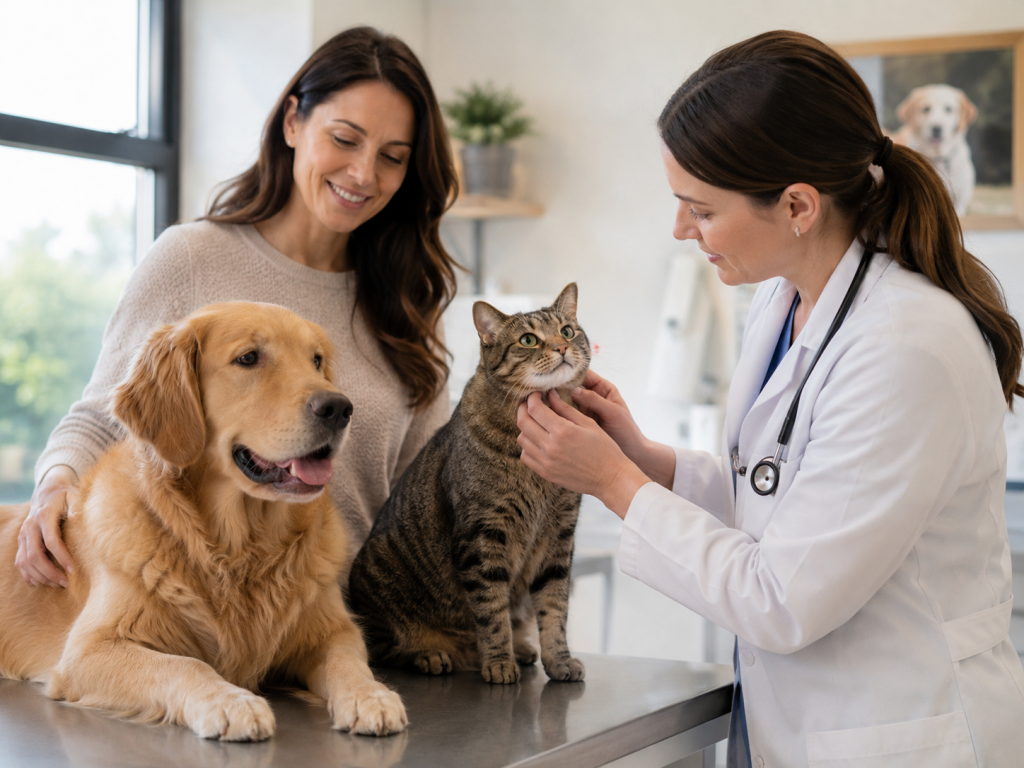
Everyday health and preventive care for dogs and cats means protecting their health before obvious illness appears. Regular veterinary examinations, appropriate nutrition, healthy body weight, dental care, vaccination, parasite prevention, grooming, exercise, behavioral wellbeing, and careful observation at home all contribute to long-term health. Veterinary preventive care has expanded beyond vaccines and parasite control to include nutritional, behavioral, and overall wellness assessment.
Dogs and cats often hide early signs of disease surprisingly well. Small changes in appetite, thirst, urination, bowel movements, movement, grooming, sleep, or behavior can therefore provide important clues before a problem becomes severe. Merck Veterinary Manual specifically recommends close observation of these everyday patterns as part of preventive health care.
Preventive care should also change throughout life. Puppies and kittens need frequent early veterinary visits, adults need ongoing wellness monitoring, and senior pets or animals with chronic conditions often require more frequent examinations.
Preventive Care Starts With Regular Veterinary Visits
Dogs and cats should not visit the veterinarian only when they are visibly sick.
Routine examinations allow a veterinarian to assess body weight, body condition, heart and lung function, skin, coat, eyes, ears, mouth, mobility, behavior, vaccination status, parasite risk, and other health factors. These visits also create a baseline that makes later changes easier to identify.
Merck recommends veterinary examinations every few weeks for puppies and kittens until roughly 20 weeks of age, followed by at least annual examinations for dogs and cats. Older animals and pets with chronic disease may need more frequent monitoring.
Preventive visits also provide opportunities to discuss changes that may seem too small to justify an emergency appointment, such as mild weight gain, reduced jumping, increasing thirst, dental odor, or subtle behavioral changes.
Learn What Is Normal for Your Pet
One of the most useful forms of everyday preventive care happens at home.
Pay attention to how much your dog or cat normally eats and drinks, how often they use the bathroom, how they move, where they sleep, how active they are, and how they interact with people and other animals.
Merck emphasizes monitoring appetite, thirst, urination, defecation, movement, and general behavior because changes in these areas can indicate that further veterinary evaluation is needed.
The goal is not to become anxious about every small variation. Instead, develop a clear picture of your pet’s usual routine so persistent or significant changes stand out.
Maintain a Healthy Body Weight
Body weight is one of the simplest health indicators to monitor, but the number on the scale is only part of the picture.
Veterinary professionals also use body condition scoring to assess fat stores. WSAVA provides separate body condition tools for dogs and cats and recommends incorporating nutritional assessment into routine veterinary care.
You should usually be able to feel the ribs without pressing through a heavy layer of fat, although ideal shape varies according to species, breed, body type, and age.
Regular weighing can help identify gradual trends. A pet that gains only a small amount each month may become significantly overweight before the change is obvious visually.
Prevent Obesity Before It Becomes Severe
Obesity can develop gradually when pets consistently consume more calories than they use.
Treats, chews, human food, dental products, training rewards, and food shared by several family members all contribute to total calorie intake.
For dogs, AAHA’s life-stage guidance specifically emphasizes maintaining ideal body condition and preventing obesity as part of adult preventive health care.
Cats also benefit from routine body-condition monitoring because indoor lifestyles and unrestricted access to calorie-dense food can contribute to weight gain.
Preventing excessive weight is usually easier than trying to achieve major weight loss later.
Feed a Complete and Appropriate Diet
Nutrition influences growth, body condition, muscle maintenance, skin and coat health, digestion, and many other aspects of wellbeing.
Choose food that is nutritionally complete and appropriate for your pet’s life stage. Puppies and kittens require diets designed to support growth, while most healthy adults need maintenance nutrition.
Senior animals do not all require the same food. A healthy older animal maintaining ideal body condition may have very different nutritional needs from one losing muscle or managing kidney, gastrointestinal, or metabolic disease.
WSAVA emphasizes individualized nutritional assessment rather than applying one feeding plan to every dog or cat.
Measure Food Instead of Guessing
Feeding by eye can make calorie intake difficult to control.
A slightly oversized scoop repeated every day can gradually produce significant weight gain. This becomes even harder to monitor when several people feed the same pet.
Measure the daily allowance consistently and include treats when considering total calories.
Package feeding recommendations are useful starting points, but body condition and veterinary guidance should determine whether portions need adjustment.
Fresh Water Should Always Be Available
Healthy dogs and cats should normally have access to fresh, clean drinking water.
Water requirements differ according to body size, food type, activity, environmental temperature, and health.
Cats eating wet food may obtain a substantial amount of water from their diet, while animals eating primarily dry food usually need to obtain more through drinking.
Become familiar with normal water consumption. A sudden and persistent increase in thirst can accompany several medical conditions and should not simply be ignored.
Watch for Changes in Appetite
Appetite is another useful everyday health indicator.
Some pets occasionally eat less because of excitement, mild stress, or a temporary change in routine. However, persistent appetite loss can occur with dental pain, nausea, digestive disease, infection, kidney problems, pain, and many other conditions.
A sudden increase in appetite can also be medically relevant, particularly when accompanied by weight loss.
Pay attention not only to whether the bowl eventually becomes empty but also to how your pet approaches food. Hesitating, dropping food, chewing differently, or repeatedly walking away can provide important information.
Dental Care Is Preventive Care
Dental health should not be treated as a cosmetic issue.
Plaque and periodontal disease can cause chronic discomfort, damaged teeth, infection, and difficulty eating. AAHA’s canine life-stage recommendations specifically include regular dental care as part of preventive health maintenance.
Home brushing with species-appropriate veterinary toothpaste can help when introduced gradually.
Never use human toothpaste for dogs or cats unless a veterinarian specifically confirms that a product is safe.
Bad breath, drooling, bleeding gums, dropping food, or reluctance to chew deserve veterinary attention.
Start Dental Habits Early
Puppies and kittens can become accustomed to gentle mouth handling before dental care becomes difficult.
Begin by touching the face and lips briefly while the animal remains comfortable. Gradually introduce a veterinary toothbrush or other approved dental-care method.
Short positive sessions are usually more effective than forcing a frightened animal through a complete brushing routine.
Professional dental treatment may still become necessary despite good home care, but regular preventive attention can make oral problems easier to detect.
Vaccination Plans Should Be Individualized
Vaccinations protect dogs and cats from important infectious diseases.
The exact vaccine schedule depends on species, age, previous vaccination, geographic location, lifestyle, exposure risk, and local legal requirements.
Preventive-health guidelines emphasize individualized vaccination planning rather than treating every pet identically.
Puppies and kittens require repeated early appointments because their immune protection changes during development.
Adult pets still need ongoing vaccine review rather than assuming that vaccination ends after the first year.
Parasite Prevention Protects More Than the Skin
Fleas and ticks are visible concerns, but parasite prevention also includes internal parasites and, where relevant, heartworm.
Risk depends on climate, geography, outdoor activity, travel, exposure to wildlife, and other lifestyle factors.
Recent veterinary guidance continues to emphasize year-round parasite prevention and appropriate testing because transmission risks can persist beyond traditional seasonal assumptions.
Dogs and cats may need different products, and safe dosing depends on body weight and species.
Never apply a dog parasite product to a cat unless the label and veterinarian specifically confirm that it is safe for cats.
Grooming Helps Detect Problems Early
Routine grooming provides an opportunity to examine the body closely.
Brushing can reveal lumps, wounds, parasites, skin irritation, hair loss, painful areas, or changes that may otherwise remain hidden beneath the coat.
Merck specifically notes that routine care and grooming can help owners identify health problems earlier.
The amount of grooming required varies considerably. Long-haired pets may need frequent brushing, while short coats usually require less intensive maintenance.
Grooming should also include regular attention to nails, ears, paws, and general skin condition.
Check the Skin and Coat
A healthy coat varies enormously between breeds and individuals, so focus on changes from normal.
Persistent scratching, licking, chewing, dandruff, redness, scabs, unusual odor, greasy fur, bald patches, or repeated ear problems deserve attention.
Parasites, allergies, infection, pain, and other medical problems can all affect the skin and coat.
Avoid repeatedly treating persistent symptoms with random shampoos or home remedies without identifying the cause.
Nail Care Matters for Dogs and Cats
Dogs and cats both need appropriate nail maintenance.
Overgrown dog nails can affect comfortable walking and may change how weight is distributed through the feet.
Cats naturally maintain their claws partly through scratching, but individual cats may still require trimming, particularly if they are older, less active, or unable to scratch normally.
Introduce nail handling gradually.
If you are unsure where the quick is located, ask a veterinary professional or experienced groomer to demonstrate safe trimming.
Exercise Supports Physical Health
Appropriate physical activity helps maintain muscle condition, joint mobility, cardiovascular fitness, healthy body weight, and emotional wellbeing.
Dogs commonly receive much of their exercise through walks, play, running, swimming, or other structured activities.
Cats often need more intentional indoor opportunities to climb, chase, stalk, pounce, and play.
Exercise should always match the individual animal. A growing puppy, athletic adult dog, indoor adult cat, and arthritic senior pet require very different routines.
Mental Enrichment Supports Overall Wellness
Preventive care includes emotional and behavioral health.
Dogs benefit from sniffing, training, play, social interaction, problem-solving, and appropriate chewing.
Cats benefit from climbing, scratching, hiding, observing from elevated areas, interactive hunting-style play, and opportunities to explore safely.
An animal that has food and shelter but no meaningful activity may still experience poor wellbeing.
Changes in behavior can also provide early clues about pain or illness, making mental health part of everyday health monitoring.
Keep a Predictable Routine
Most dogs and cats benefit from some degree of predictability.
Regular meals, exercise, play, litter box maintenance, bathroom opportunities, sleep, and social interaction help make the environment easier to understand.
This does not mean everything must happen at exactly the same time each day.
The goal is simply to provide consistent access to essential resources and avoid unnecessary disruption.
Major household changes can affect appetite, sleep, elimination, and behavior, so monitor pets more closely during stressful transitions.
Litter Box Habits Are Health Information
For cats, litter box behavior provides important information about urinary and digestive health.
Notice changes in urine clump size, frequency, stool consistency, straining, or repeated trips to the box.
A cat repeatedly trying to urinate while producing little or no urine requires urgent veterinary attention.
House-soiling can also occur because of stress, litter box preferences, mobility problems, or illness.
Do not automatically treat sudden litter box accidents as behavioral disobedience.
Bathroom Changes Matter in Dogs Too
A previously house-trained dog that suddenly begins having accidents may have a medical problem.
Increased urination, diarrhea, constipation, pain, cognitive changes, mobility problems, or increased thirst can all interfere with normal bathroom routines.
Watch for blood, repeated straining, abnormal stool, frequent urination, or inability to urinate normally.
Persistent changes deserve veterinary assessment instead of simply increasing punishment or house-training restrictions.
Monitor Movement and Mobility
Subtle changes in movement can indicate discomfort.
A dog may become slower on stairs, hesitate before jumping into the car, or struggle to stand after sleeping.
A cat may stop jumping onto a favorite surface, begin climbing furniture in stages, or avoid part of the home.
Pain does not always cause obvious crying or limping.
Comparing current movement with your pet’s normal routine can reveal problems earlier.
Watch Breathing at Rest
Normal breathing varies with activity, temperature, body type, and stress.
Panting after exercise is common in dogs, but persistent labored breathing while resting is different.
Cats should not routinely breathe with an open mouth like a dog. Open-mouth breathing or obvious respiratory struggle in a cat deserves urgent attention.
Pale or blue gums, collapse, severe breathing effort, or inability to settle because of respiratory distress can indicate an emergency in either species.
Monitor Eyes and Ears
Eyes should be checked for redness, swelling, discharge, cloudiness, squinting, or sudden changes in vision.
Ear problems may cause head shaking, scratching, odor, redness, discharge, or sensitivity when touched.
Dogs with certain ear shapes or skin conditions can experience recurrent ear disease, while cats can develop mites, infection, inflammation, and other problems.
Avoid repeatedly applying ear cleaners or medications unless you know what the problem is.
Persistent eye or ear symptoms should be evaluated by a veterinarian.
Know Your Pet’s Normal Behavior
Behavior is part of health.
A friendly dog that suddenly hides, a calm cat that becomes aggressive during handling, or an active pet that suddenly stops playing may be communicating discomfort.
Merck specifically includes general behavior among the everyday characteristics owners should monitor for health changes.
Sudden behavioral changes are particularly important when they appear alongside appetite loss, weight changes, reduced mobility, or altered sleep.
Do not assume every behavior problem is caused by poor training.
Puppies and Kittens Need More Frequent Preventive Care
The first months of life involve rapid growth and development.
Merck recommends veterinary examinations every few weeks for puppies and kittens until approximately 20 weeks of age.
These visits can address vaccinations, parasite prevention, nutrition, growth, behavior, and developmental concerns.
Young animals can also become dehydrated or weak more quickly than healthy adults when they develop vomiting, diarrhea, or appetite loss.
A puppy or kitten that appears significantly ill deserves prompt attention.
Adult Pets Still Need Preventive Care
Once vaccination series and early growth are complete, preventive care becomes less frequent but remains important.
Healthy adult dogs and cats should generally receive veterinary examinations at least annually.
These visits help monitor weight, teeth, skin, heart and lungs, mobility, nutrition, vaccination status, and parasite risks.
Adult pets can develop chronic disease even while appearing healthy at home.
Preventive care is therefore not something that stops once puppyhood or kittenhood ends.
Senior Pets Need Closer Monitoring
Older dogs and cats have a higher likelihood of developing chronic disease and age-related changes.
More frequent examinations may be recommended for senior animals, especially when they have existing medical conditions. Merck explicitly notes that older animals may require veterinary visits more often than the standard annual schedule.
Watch senior pets for weight loss, muscle loss, increased thirst, appetite changes, difficulty moving, reduced grooming, dental problems, altered sleep, confusion, or behavioral changes.
Do not automatically classify these changes as normal aging.
Preventive Screening May Change With Age
Veterinarians may recommend additional testing as pets age or develop risk factors.
Bloodwork, urine testing, blood-pressure measurement, imaging, fecal testing, and other screening procedures can be appropriate depending on species, age, history, and examination findings.
For dogs, Merck notes that older animals may receive additional tests to identify health problems earlier.
Screening decisions should be individualized rather than performed simply because every animal has reached the same birthday.
Keep Household Hazards Out of Reach
Preventive care includes preventing poisoning and injury.
Human medications, cleaning products, toxic foods, antifreeze, pesticides, batteries, electrical cords, string, and small swallowable objects can all create emergencies.
Puppies and kittens require especially careful supervision because they investigate the environment with their mouths and paws.
Secure trash cans and medication, identify houseplants before bringing them into the home, and remove damaged toys before pieces can be swallowed.
Prevention is much easier than treating poisoning or intestinal obstruction.
Use Safe Transportation
Dogs and cats should travel in secure, appropriate restraints.
Cats are generally safest in well-designed carriers rather than loose inside a vehicle.
Dogs can use suitable travel crates or appropriate vehicle restraint systems depending on their size and circumstances.
Secure transportation reduces distraction and can limit injury during sudden braking or accidents.
Making carriers and car travel familiar from a young age can also reduce stress during veterinary visits.
Keep Identification Updated
Even indoor pets can become lost.
Microchips provide permanent identification, but the chip is useful only when registration information remains current.
Dogs and suitable cats may also benefit from visible identification such as a collar and tag when safely tolerated.
Update contact details whenever you move or change phone numbers.
Identification does not prevent illness, but it is an important part of overall responsible preventive care.
Know When a Change Can Wait and When It Cannot
Not every unusual behavior is an emergency.
A single soft stool or one missed meal may occasionally resolve without major intervention in an otherwise healthy adult animal.
Patterns matter. Persistent vomiting, appetite loss, unexplained weight change, repeated urinary problems, significant lethargy, pain, or behavioral changes deserve veterinary advice.
Severe symptoms require faster action.
Warning Signs That Need Veterinary Attention
Contact your veterinarian when your dog or cat develops persistent or significant changes such as:
- Unexplained weight loss or gain
- Persistent appetite loss
- Excessive thirst
- Repeated vomiting or diarrhea
- Blood in urine or stool
- Persistent coughing
- Difficulty walking or jumping
- Severe itching
- Sudden behavioral changes
- Significant lethargy
- Difficulty eating
- Persistent eye or ear problems
- New or rapidly changing lumps
Merck recommends close observation specifically because changes in normal eating, drinking, elimination, movement, and behavior can signal a need for further investigation.
Signs That May Be an Emergency
Some symptoms should not wait for a routine appointment.
Seek urgent veterinary care for severe breathing difficulty, collapse, uncontrolled bleeding, repeated seizures, serious trauma, suspected poisoning, severe weakness, inability to urinate, or rapidly worsening symptoms.
Repeated unproductive attempts to vomit with a swollen abdomen can be especially concerning in dogs.
A cat repeatedly straining to urinate with little or no urine can also have a life-threatening obstruction.
When you are uncertain about the severity of a symptom, calling a veterinary clinic for immediate guidance is safer than simply waiting.
A Simple Everyday Preventive Care Routine
Good preventive care does not require examining your pet obsessively every day.
Provide measured, appropriate food and fresh water. Maintain regular exercise, play, rest, grooming, bathroom opportunities, and environmental enrichment.
During normal interactions, notice whether your pet is moving comfortably, eating normally, maintaining body condition, and behaving like themselves.
Check the coat, skin, eyes, ears, mouth, paws, nails, and body periodically.
Then combine those home observations with regular veterinary examinations.
Prevention Supports Quality of Life
The purpose of preventive health care is not simply to increase the number of veterinary appointments.
It is to preserve comfort and quality of life while identifying risks or disease earlier. AAHA and AVMA preventive-care guidance emphasizes individualized care, early disease detection, vaccination, weight management, dental care, and long-term health planning.
A dog or cat can appear healthy while subtle changes are developing beneath the surface.
Regular monitoring gives owners and veterinarians more information and potentially more options.
Building Lifelong Health for Dogs and Cats
Good everyday health and preventive care for dogs and cats combines professional veterinary care with consistent observation at home.
Puppies and kittens require frequent early visits, while healthy adult pets should generally receive at least annual veterinary examinations. Senior animals and pets with chronic conditions may need more frequent care.
Maintain an appropriate body condition, feed a nutritionally suitable diet, provide fresh water, support dental health, keep vaccinations and parasite prevention current, and adapt exercise to the individual animal. WSAVA’s nutritional guidance also supports regular body-condition assessment as part of routine care.
Grooming, enrichment, emotional wellbeing, litter box habits, bathroom routines, and mobility are also part of the preventive picture.
Most importantly, learn what normal looks like for your pet. Merck specifically highlights changes in appetite, thirst, urination, bowel movements, movement, and general behavior as useful early indicators that further examination may be needed.
Preventive care cannot guarantee that a dog or cat will never become sick. However, it gives both species a better chance of remaining comfortable, active, and healthy throughout every stage of life.