
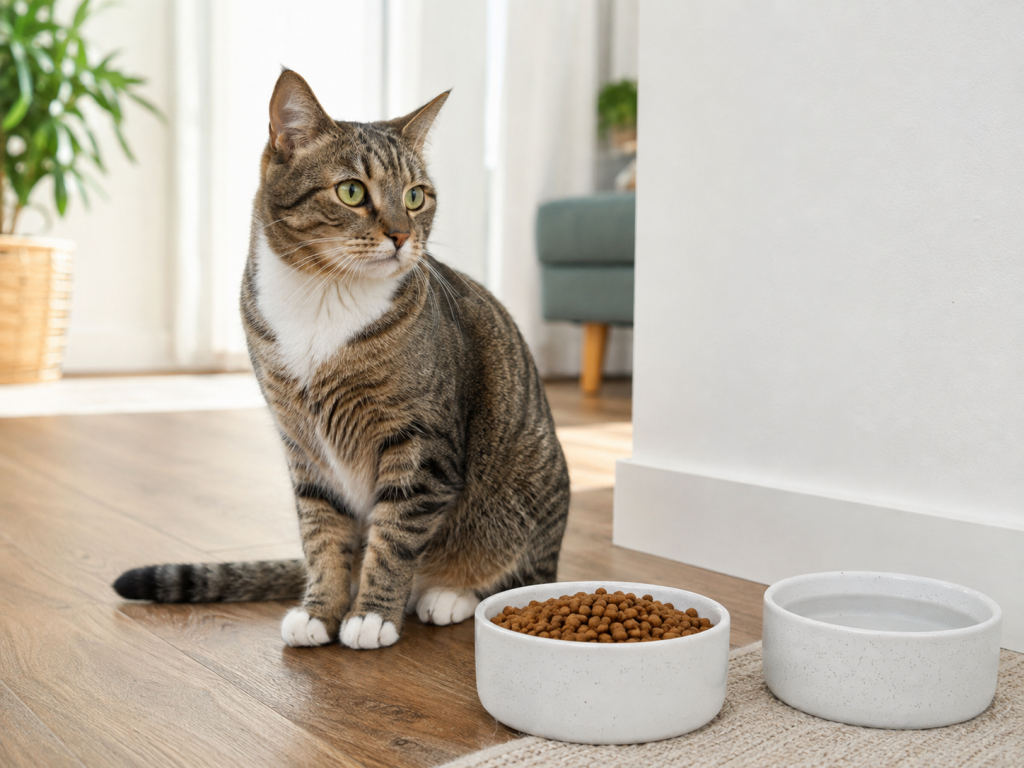
How long can cats go without eating? A cat should not be intentionally left without food, and you should not wait several days to see whether appetite returns. VCA recommends seeking veterinary attention if a cat has not eaten properly for 24 hours because cats that stop eating are at risk of serious complications, including hepatic lipidosis, also known as fatty liver disease.
Although a cat might physically survive longer than a day without food, that is not a safe amount of time to wait before taking action. The danger depends on the cat’s age, weight, hydration, underlying health, and why they stopped eating. Overweight cats are particularly vulnerable to hepatic lipidosis when inadequate calorie intake causes rapid mobilization of body fat.
Loss of appetite is also a symptom rather than a diagnosis. Kidney disease, diabetes, pancreatitis, liver disease, gastrointestinal problems, fever, pain, stress, dental disease, and many other conditions can cause a cat to stop eating.
A Cat Not Eating for 24 Hours Deserves Attention
A missed meal does not always mean your cat is seriously ill. Some cats eat less because of temporary stress, a sudden food change, or disruption to their normal routine.
However, the situation becomes more concerning when your cat eats little or nothing for an entire day. VCA advises that cats that have not eaten properly for 24 hours should receive veterinary attention.
This recommendation is important because waiting for obvious weakness can allow the underlying condition to progress. Cats can hide illness well, and loss of appetite may appear before more dramatic symptoms.
If your cat normally eats enthusiastically and suddenly refuses every meal, contact your veterinarian rather than planning to wait several additional days.
Why Going Without Food Is Dangerous for Cats
When a cat does not consume enough calories, the body begins using stored energy. In overweight cats, large amounts of body fat may be mobilized toward the liver.
Cats are particularly vulnerable to a condition called feline hepatic lipidosis. Merck describes it as a potentially lethal liver disease and notes that anorexia or food deprivation commonly sets the process in motion, especially in overconditioned cats.
The liver becomes overwhelmed by accumulated fat and cannot function normally. Once hepatic lipidosis develops, restoring adequate nutrition becomes a critical part of treatment.
This is why simply waiting for a cat to become hungry enough to eat is not always safe.
How Quickly Can Fatty Liver Disease Develop?
There is no exact number of hours after which every cat develops hepatic lipidosis. Risk varies considerably between individuals.
However, VCA notes that cats diagnosed with hepatic lipidosis commonly have a recent history of eating little or nothing for approximately three to four consecutive days. Another VCA resource warns that cats can develop potentially life-threatening hepatic lipidosis after as little as 48 hours without eating.
These numbers should not be treated as a safe waiting period. They show how quickly serious complications can develop.
Veterinary advice at the 24-hour point is therefore much safer than waiting until your cat has already gone two, three, or four days without food.
Overweight Cats Are at Greater Risk
A cat carrying excess body fat has more stored fat available to mobilize when calorie intake suddenly drops. Unfortunately, a cat’s liver may not be able to process that rapidly mobilized fat effectively.
Merck specifically identifies overconditioned cats experiencing anorexia or food deprivation as being at risk for feline hepatic lipidosis.
This is also why crash dieting is dangerous for overweight cats. Weight loss should be gradual and nutritionally controlled rather than achieved by simply giving dramatically less food.
If an overweight cat suddenly stops eating, contact your veterinarian promptly even if the cat still appears relatively normal.
Why Has My Cat Suddenly Stopped Eating?
Loss of appetite can have many causes, ranging from relatively minor stress to serious medical disease.
Cornell lists diabetes, kidney disease, hepatic lipidosis, hyperthyroidism, pancreatitis, fever, and other illnesses among conditions that can be associated with sustained appetite loss. Environmental or psychological factors, such as a new food or another animal entering the household, can also contribute.
Therefore, the correct response is not simply to find a tastier food. A cat may refuse dinner because they dislike a new recipe, but they may also stop eating because chewing hurts or because they feel nauseated.
Look for other changes while arranging veterinary advice.
Dental Pain Can Make a Cat Stop Eating
A cat with dental or oral pain may still appear interested in food. They may walk toward the bowl, sniff it, attempt to eat, and then walk away.
Watch for dropping food, chewing differently, drooling, bad breath, pawing around the mouth, or preferring soft food.
Cats are often good at hiding dental discomfort, so owners may initially interpret the behavior as pickiness.
A cat that repeatedly appears hungry but cannot comfortably eat needs veterinary assessment rather than repeated changes in food flavor.
Nausea and Digestive Disease Can Reduce Appetite
Pancreatitis is one example of an illness that can cause reduced appetite. Cornell notes that lethargy and decreased appetite are among the most common signs of feline pancreatitis, while vomiting and weight loss are also seen in many affected cats.
Other gastrointestinal conditions can also make cats reluctant to eat.
A nauseated cat may sniff food and turn away, lick their lips, swallow repeatedly, hide, or vomit. These signs are not always present, so appetite loss alone can still be meaningful.
Persistent refusal of food should be investigated rather than treated only by repeatedly offering different meals.
Respiratory Illness Can Affect Eating
Cats rely heavily on smell when deciding whether food is appealing. Nasal congestion can therefore reduce interest in eating.
A cat with an upper respiratory illness may sneeze, develop eye or nasal discharge, and appear less interested in meals.
Warming wet food slightly may make its smell stronger, but supportive feeding should not replace veterinary care when your cat is unwell or eating inadequately.
If appetite loss occurs with breathing difficulty, the situation is more urgent and requires prompt veterinary attention.
Stress Can Reduce Appetite
Not every case of appetite loss begins with physical disease. Cats can reduce food intake after moving house, introducing another pet, changing their usual food, traveling, or experiencing another major disruption.
Cornell notes that food avoidance can sometimes have behavioral or environmental origins, including dislike of a new food or distress caused by a change in the household.
However, stress should not become the default explanation for a cat that refuses food for a prolonged period.
Medical and environmental problems can occur at the same time. If your cat has not eaten properly for 24 hours, veterinary advice remains appropriate even when you believe stress triggered the change.
What If My Cat Is Eating Only a Little?
Partial appetite loss can also matter.
A cat that eats two bites at each meal may technically be eating, but they could still be receiving far fewer calories than their body needs. Hepatic lipidosis is associated not only with complete food refusal but also with prolonged severe calorie restriction.
Pay attention to how much food actually disappears rather than simply whether your cat approaches the bowl.
If intake has dropped dramatically for more than a day, especially in an overweight, senior, very young, or medically fragile cat, contact your veterinarian.
What About a Cat That Still Drinks Water?
Drinking does not make prolonged fasting safe.
Water can help prevent dehydration, but it does not provide the calories, protein, amino acids, vitamins, minerals, and other nutrients your cat requires.
A cat that drinks normally but refuses food can still develop serious nutritional complications.
Increased drinking can also be medically relevant because diseases such as diabetes or kidney problems can alter both thirst and appetite. Cornell lists several systemic diseases among possible causes of feline anorexia.
Monitor both food and water intake rather than using one as reassurance about the other.
How Long Can Kittens Go Without Eating?
Kittens deserve even faster attention than healthy adult cats because they have smaller energy reserves and are supporting growth.
Very young kittens require frequent meals, and inadequate intake can become serious quickly.
Do not apply an adult-cat waiting period to a small kitten. If a kitten refuses food, appears weak, vomits repeatedly, develops diarrhea, or becomes unusually sleepy, contact a veterinarian promptly.
The younger and smaller the kitten, the less appropriate it is to simply watch and wait.
How Long Can Senior Cats Go Without Eating?
Senior cats can develop chronic diseases that affect appetite, including kidney disease, thyroid disease, cancer, dental problems, and digestive disorders.
Therefore, sudden appetite loss in an older cat should be taken seriously.
Do not assume a senior cat eats less simply because of age. A meaningful change from their normal pattern deserves investigation.
Weight loss, increased thirst, vomiting, reduced grooming, hiding, weakness, or changes in litter box habits make the situation even more concerning.
Should You Force-Feed a Cat That Will Not Eat?
Do not force food into your cat’s mouth without veterinary guidance.
Force-feeding can increase stress, create food aversion, and may carry an aspiration risk if food enters the airway incorrectly.
Cats with serious appetite loss sometimes require assisted nutrition, but veterinarians can use controlled methods such as feeding tubes when appropriate. Cornell notes that nutritional support through feeding tubes may be needed in cats with serious liver disease related to inadequate food intake.
The priority is identifying why your cat will not eat and then restoring nutrition safely.
Can You Encourage a Cat to Eat at Home?
If your cat has only recently become hesitant and is otherwise stable, simple measures may make food more appealing while you contact your veterinarian.
Try offering the cat’s familiar food in a quiet location. Wet food can be warmed slightly so that its aroma becomes stronger.
Use clean bowls and separate the feeding area from other pets if competition or stress could be interfering.
Avoid constantly replacing one food with another every few minutes. Repeatedly pushing food toward a nauseated cat can make the experience more unpleasant.
Most importantly, home strategies should not become a reason to delay veterinary care when your cat approaches 24 hours without adequate food.
Do Not Starve a Picky Cat Into Eating
It can be tempting to believe that a picky cat will eventually eat whatever is available once they become hungry enough.
That strategy is risky in cats.
If your cat repeatedly refuses a newly introduced diet, particularly during a weight-loss program, do not continue severe calorie restriction while hoping they eventually surrender. VCA warns that rapid weight loss and food refusal can place cats at risk of hepatic lipidosis.
Return to veterinary guidance and develop a safer transition plan.
Warning Signs That Need Faster Veterinary Care
Not eating becomes more urgent when additional symptoms appear.
Contact a veterinarian promptly if appetite loss occurs with:
- Repeated vomiting
- Significant diarrhea
- Severe lethargy or weakness
- Rapid weight loss
- Yellow gums, skin, or whites of the eyes
- Difficulty breathing
- Significant abdominal pain
- Difficulty urinating
- Excessive thirst or urination
- Drooling or obvious mouth pain
- Collapse or inability to stand normally
Jaundice, vomiting, lethargy, and weight loss can occur in cats with hepatic lipidosis and other serious diseases.
Severe symptoms should not wait for the 24-hour mark.
Why Yellow Skin or Eyes Are Concerning
Yellow discoloration of the gums, skin, or whites of the eyes is called jaundice. It can occur when bilirubin accumulates in the body and is associated with several liver and blood disorders.
Hepatic lipidosis can produce jaundice as the condition progresses. Merck lists dramatic weight loss, vomiting, lethargy, diarrhea, and liver-related abnormalities among possible findings.
If your cat has stopped eating and you notice yellow discoloration, veterinary assessment is urgent.
Do not try to correct the problem by simply offering more food at home.
When Should You Call the Vet?
For an adult cat that has not eaten properly for 24 hours, contacting your veterinarian is the safest general rule. VCA explicitly recommends immediate veterinary attention at that point.
Contact a veterinarian sooner if your cat is a young kitten, already sick, very old, diabetic, overweight, taking important medication, or displaying other concerning symptoms.
You should also call earlier if your cat cannot keep water down, appears painful, has trouble breathing, repeatedly strains to urinate, collapses, or becomes severely weak.
The question is not simply how long your cat can survive without food. The goal is to intervene before food deprivation causes additional complications.
What Will a Veterinarian Do?
The veterinarian will first try to identify why your cat stopped eating.
The evaluation may include a physical examination and questions about the duration of appetite loss, weight changes, vomiting, bowel movements, urination, recent diet changes, medications, and household events.
Depending on the findings, blood tests, urine testing, imaging, dental evaluation, or other diagnostic procedures may be recommended.
Treatment can include addressing nausea, pain, dehydration, infection, dental disease, gastrointestinal disorders, or another underlying condition. Cats that cannot consume enough calories may also need structured nutritional support.
Why Appetite Monitoring Matters
Knowing your cat’s normal eating habits makes appetite changes easier to recognize.
Measured meals can help because you can see approximately how much food disappears each day. In multi-cat homes, separate feeding may be necessary to identify which cat is eating.
Watch body weight as well. A cat can slowly reduce intake without completely refusing food, and gradual weight loss may be the first obvious clue.
If you are unsure whether your cat is eating enough, keeping a short record of meals can provide useful information for your veterinarian.
So, How Long Can Cats Go Without Eating?
Cats should not go prolonged periods without food, and waiting several days is unsafe. Although a cat may physically survive longer, veterinary guidance recommends seeking attention when a cat has not eaten properly for about 24 hours.
The reason is not simply hunger. Cats can develop hepatic lipidosis, a potentially life-threatening accumulation of fat in the liver associated with anorexia and inadequate calorie intake. Overweight cats are particularly vulnerable.
Cases of hepatic lipidosis commonly follow several days of little or no eating, and serious risk can begin developing much sooner than many owners expect.
Do not force-feed your cat or rely on the idea that hunger will eventually make them eat. Instead, monitor how much they actually consume and investigate sudden appetite loss.
If your adult cat has eaten almost nothing for 24 hours, contact your veterinarian. Seek help sooner for kittens, medically fragile cats, or any cat showing vomiting, weakness, pain, jaundice, breathing difficulty, urinary problems, or other serious symptoms.