
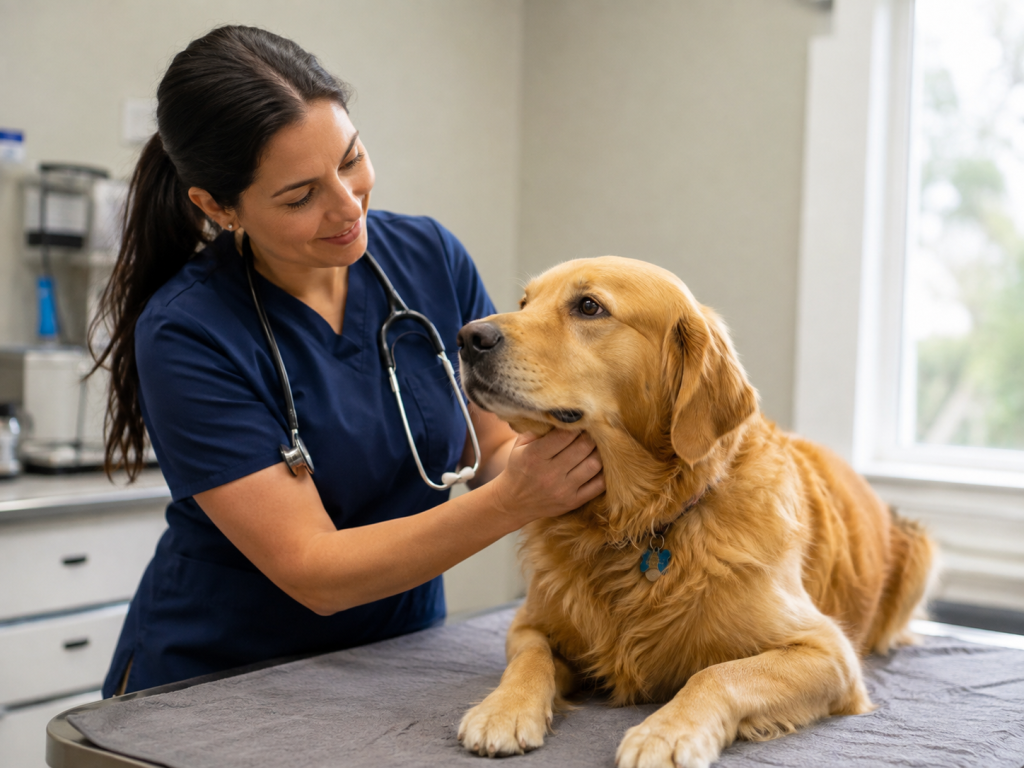
Dog health and wellness for every life stage covers preventive veterinary care, proper nutrition, exercise, dental health, and mental enrichment. Each of these areas gets adjusted as a dog moves from puppyhood through the senior years. Understanding these shifting needs helps you catch problems early and support a longer, healthier life.
This guide walks through what wellness actually involves and how care needs shift from puppyhood to the senior years. It also covers which warning signs should always prompt a call to your veterinarian. Consider it a practical reference you can return to as your dog grows and changes.
Every section here reflects general, widely accepted preventive care principles. Your veterinarian remains the best source for decisions specific to your individual dog, including breed-related risk factors, current health status, and any existing conditions.
What “Wellness” Really Means for Dogs
Wellness is broader than simply treating illness when it appears. It includes preventive care, nutrition, physical activity, dental health, and mental well-being working together.
A dog can look healthy on the surface while still missing important preventive care. This is why regular veterinary checkups matter, even when nothing seems wrong. Many conditions develop gradually and show few visible symptoms until they become more serious.
This is especially true for internal issues, such as early kidney changes or dental disease beneath the gumline, which are often invisible during casual observation at home but detectable through a professional exam or routine bloodwork.
Thinking of wellness as an ongoing routine, rather than a reaction to problems, tends to produce better long-term outcomes. Small, consistent habits usually matter more than occasional, dramatic interventions.
This mindset shift matters because dogs are skilled at masking discomfort. Many instinctively hide signs of pain or illness, a trait inherited from their wild ancestors, where appearing vulnerable could be risky. As a result, waiting for obvious symptoms before seeking care often means a condition has already progressed further than an owner realizes.
The Foundations of Preventive Care
A few core pillars support wellness at every stage of a dog’s life. Understanding them first makes the life-stage sections that follow easier to apply. Each pillar works best in combination with the others, rather than as an isolated effort.
Regular Veterinary Exams
Routine exams allow a veterinarian to catch subtle changes before they become significant problems. According to the American Animal Hospital Association, recommended exam frequency varies by life stage. Puppies and senior dogs generally need more frequent visits than healthy adults.
A typical wellness exam includes a physical assessment, weight check, and a conversation about diet, behavior, and any concerns you have noticed at home. These visits are also a useful opportunity to ask questions before small concerns become bigger ones.
Vaccinations
Vaccines protect against serious, sometimes life-threatening diseases. According to the American Veterinary Medical Association, vaccines generally fall into two groups. Core vaccines are recommended for nearly all dogs, while non-core vaccines depend on lifestyle and regional risk. Your veterinarian is best positioned to recommend an exact schedule for your individual dog.
Vaccine schedules also depend on factors like local disease prevalence and travel. Whether your dog spends time around other animals, such as at boarding facilities or dog parks, matters too. This is another reason a personalized plan works better than a generic checklist.
Parasite Prevention
Fleas, ticks, heartworm, and intestinal parasites can all affect a dog’s health, sometimes seriously. Many of these risks vary by region and season, so a veterinarian’s guidance matters more than a generic, one-size-fits-all schedule.
Year-round prevention is often recommended even in colder climates. Indoor heating and mild winter days can allow some parasites, particularly fleas, to remain active longer than expected.
Dental Care
Dental disease is one of the most common health issues in dogs, and it can affect far more than the mouth. Left unaddressed, it can contribute to pain and other health complications over time.
Many owners underestimate dental care simply because the signs are not always obvious in early stages. Bad breath is often dismissed as normal, when it can actually be one of the earliest indicators of a developing problem.
Nutrition and Exercise
Diet and activity levels directly affect weight, joint health, energy, and long-term disease risk. Both needs shift meaningfully across a dog’s life, which later sections in this guide cover in more detail.
Mental Health and Enrichment
Mental well-being is an often overlooked part of wellness. Boredom, understimulation, and chronic stress can affect behavior and, over time, physical health as well.
A dog who lacks mental engagement may develop unwanted behaviors that are sometimes mistaken for a training problem, when the root cause is actually insufficient stimulation.
Puppy Health and Wellness (Birth to About 12 Months)
Puppyhood is a period of rapid growth and development. Preventive care during this stage sets the foundation for lifelong health. Habits established now, from dental care to a consistent routine, tend to carry forward into adulthood.
Vaccination Series
Puppies typically receive a series of vaccinations over several months, since early immunity from their mother fades gradually and unevenly. Your veterinarian will recommend a specific schedule based on your puppy’s age, breed, and environment.
Until the full series is complete, it is generally wise to limit exposure to unknown dogs and high-traffic public spaces. Disease risk is simply harder to control in those settings. Your veterinarian can advise on when it becomes safer to expand socialization outings.
Growth and Nutrition
Puppies have different nutritional needs than adult dogs, largely due to rapid growth and development. Feeding a diet formulated specifically for puppies, in appropriate portions, supports healthy development without encouraging excessive growth speed, which can affect joint health in larger breeds.
Large-breed puppies, in particular, often benefit from a diet formulated for their expected adult size, since growing too quickly can put extra strain on developing joints. A veterinarian or veterinary nutritionist can help you choose an appropriate formula.
Spay or Neuter Timing
Spaying or neutering offers health and behavioral benefits for many dogs, though the ideal timing can vary based on breed, size, and individual health factors. This is a conversation worth having directly with your veterinarian rather than following a generic rule.
Research on optimal timing continues to evolve, particularly for larger breeds, where some veterinarians recommend waiting until a dog is closer to full growth. This makes an individualized conversation especially important.
Socialization and Behavior
Early, positive exposure to new people, environments, and situations supports healthy behavioral development. This period plays a meaningful role in how a dog handles new experiences later in life.
Behavioral health is just as much a part of wellness as physical health. A well-socialized puppy often grows into a more confident, adaptable adult dog, which can reduce stress-related health issues down the line.
Common Puppy Health Concerns
Puppies are especially vulnerable to certain issues, including intestinal parasites, contagious illnesses before full vaccination, and accidental ingestion of unsafe items due to natural curiosity. Puppy-proofing your home reduces many of these everyday risks.
Keep household chemicals, certain human foods, and small objects safely out of reach. If your puppy does swallow something concerning, contact your veterinarian or an emergency animal hospital right away rather than waiting to see what happens.
Adult Dog Health and Wellness (Roughly 1 to 7 Years)
Adulthood is typically the most stable life stage, but consistent preventive care remains just as important. It is easy to assume a healthy-looking adult dog needs less attention, but this is exactly when preventive habits pay off most.
Annual Wellness Exams
Even healthy adult dogs benefit from at least one comprehensive exam per year. These visits often include weight checks, dental assessments, and screening bloodwork, which can catch early changes before symptoms appear.
Baseline bloodwork taken while a dog is healthy also gives your veterinarian a useful point of comparison later. This can make it much easier to identify a meaningful change if health concerns arise in the future.
Nutrition and Weight Management
Adult dogs need balanced nutrition matched to their size, activity level, and any individual health considerations. Maintaining a healthy weight reduces the risk of joint problems, diabetes, and other weight-related health issues.
It helps to reassess portion sizes periodically, since activity levels and metabolism can shift gradually without an owner noticing right away. What worked well for your dog a year ago may need small adjustments now.
Exercise Needs
Regular physical activity supports cardiovascular health, joint mobility, and mental well-being. Needs vary significantly by breed and individual energy level, so it helps to tailor activity to your specific dog rather than a general standard.
High-energy working and herding breeds often need considerably more structured activity than lower-energy companion breeds. Matching exercise to your dog’s actual needs, not just their age, helps prevent both boredom and overexertion.
Dental Care
Adult dogs benefit from regular at-home dental care, such as tooth brushing, along with professional dental cleanings as recommended by your veterinarian. Dental chews and specially formulated dental diets can offer additional support, though they generally work best as a supplement to brushing, not a replacement for it.
Preventive Screenings
Depending on breed and individual risk factors, your veterinarian may recommend periodic screenings for conditions common in certain breeds or age ranges. Catching issues early generally leads to better outcomes.
Some breeds have known predispositions to certain conditions, such as hip issues in larger breeds or heart conditions in some smaller breeds. These dogs may benefit from more targeted monitoring. Your veterinarian can explain which screenings make sense for your dog specifically.
Senior Dog Health and Wellness (Typically 7+ Years, Varies by Size)
Larger breeds often enter their senior years earlier than smaller breeds. Senior wellness care generally becomes more frequent and more comprehensive. This shift reflects how quickly certain age-related conditions can develop and progress in older dogs.
More Frequent Veterinary Visits
Many veterinarians recommend twice-yearly exams for senior dogs, since age-related conditions can progress more quickly and are often easier to manage when caught early. These visits often include more detailed bloodwork and screening than a standard adult exam.
Age-Related Physical Changes
Vision, hearing, mobility, and energy levels often decline gradually with age. Some changes are a normal part of aging, while others may indicate a treatable condition, which is why regular veterinary input matters.
Because these changes are often gradual, they can be easy to miss day to day. Comparing notes with a veterinarian at each visit helps distinguish typical aging from something that deserves closer attention.
Nutrition Adjustments
Senior dogs often benefit from nutritional adjustments to support joint health, maintain a healthy weight, and match a typically lower activity level. A veterinarian can help tailor nutrition to any specific health conditions your dog may have.
Some senior dogs also benefit from easier-to-digest formulas or adjusted protein levels, depending on kidney or organ function. This is another area where individualized guidance matters more than general assumptions.
Mobility and Joint Health
Joint stiffness and reduced mobility are common in senior dogs. Supportive measures, such as maintaining a healthy weight and providing appropriate exercise, can help. Any sudden change in mobility deserves a veterinary evaluation rather than being assumed to be simple aging.
Simple home adjustments can also help. Non-slip rugs on slippery floors and ramps for getting into a car make daily movement noticeably easier and safer for a dog with joint discomfort.
Cognitive Health
Some senior dogs experience cognitive changes that can affect memory, sleep patterns, and awareness of familiar surroundings. Discussing any noticeable behavioral shifts with your veterinarian helps determine whether support or further evaluation is appropriate.
Signs like increased confusion, disrupted sleep-wake cycles, or seeming “lost” in familiar spaces are worth mentioning specifically. They can sometimes be managed with the right supportive approach.
Common Senior Health Considerations
Conditions such as arthritis, dental disease, and organ function changes become more common with age. Regular senior wellness exams are designed specifically to monitor for these issues early, when management options are often more effective.
Nutrition Across Life Stages
Nutritional needs are not static. They shift as a dog grows, ages, and experiences changes in activity or health.
Puppies generally need calorie- and nutrient-dense food to support growth. Adult dogs need balanced maintenance nutrition matched to their size and activity level. Senior dogs often benefit from adjustments that support joint health and account for a typically slower metabolism.
Rather than switching foods based on trends or assumptions, it helps to discuss your dog’s specific nutritional needs with your veterinarian. This matters even more if your dog has any existing health conditions.
Reading a food label with your veterinarian’s guidance, rather than marketing claims alone, tends to lead to better decisions. Look for a statement confirming the food meets recognized nutritional standards for your dog’s specific life stage.
Transitions between foods, at any age, generally go more smoothly when introduced gradually over about a week. A sudden switch can sometimes cause temporary digestive upset, even with a high-quality food.
Exercise Needs Across Life Stages
Physical activity supports far more than physical fitness. It also plays a meaningful role in mental health and behavior.
Puppies benefit from frequent, shorter bursts of activity, since their joints and growth plates are still developing. Adult dogs generally handle more sustained exercise, tailored to their breed and individual energy level. Senior dogs often do best with gentler, more consistent activity that supports mobility without added strain.
Watching for signs of fatigue, reluctance, or discomfort during exercise, at any age, is a useful way to adjust activity appropriately.
Weather also deserves consideration. Hot pavement can burn paw pads. High heat combined with exertion also raises the risk of overheating, particularly for flat-faced breeds who already have less efficient airflow. Adjusting the timing and intensity of exercise around weather conditions helps keep activity safe year-round.
Dental Health at Every Age
Dental care deserves specific attention because it is frequently overlooked, despite being one of the most common health concerns in dogs.
Puppies benefit from getting used to tooth brushing early, which builds a lifelong habit. Adult dogs benefit from a consistent routine of home care and professional cleanings as needed. Senior dogs may require closer dental monitoring, since dental disease becomes more common with age and can affect overall comfort and health.
Signs of dental issues include bad breath, visible tartar, difficulty chewing, or reduced interest in food. Any of these signs are worth mentioning at a veterinary visit.
Introducing tooth brushing gradually, with a dog-safe toothpaste and plenty of positive reinforcement, tends to work far better than rushing the process. Most dogs can learn to tolerate, and sometimes even enjoy, a regular brushing routine.
Vaccinations and Parasite Prevention
Preventive protection against disease and parasites remains important throughout a dog’s life, though specific needs can shift somewhat with age and lifestyle.
Core vaccines are generally recommended for all dogs, regardless of lifestyle, due to the severity and prevalence of the diseases they prevent. Non-core vaccines depend more on individual risk factors, such as geographic location, boarding, or exposure to wildlife.
Parasite prevention, including protection against fleas, ticks, and heartworm, remains important at every life stage. Your veterinarian can recommend an appropriate plan based on your location and your dog’s lifestyle.
Heartworm disease, in particular, is far easier and less expensive to prevent than to treat. Annual testing, alongside consistent preventive medication, remains one of the most effective wellness habits an owner can maintain.
Skipping doses, even occasionally, can leave a gap in protection, so consistency matters more than most owners initially expect.
Weight Management and Body Condition
Maintaining a healthy weight is one of the most impactful things an owner can do for a dog’s long-term wellness.
Excess weight increases the risk of joint problems, diabetes, and other health complications. Being underweight can also signal an underlying issue worth investigating. Your veterinarian can assess your dog’s body condition and help set realistic, healthy targets.
Simple habits, such as measuring food portions and limiting excessive treats, often make a meaningful difference over time.
A general rule many veterinarians suggest is keeping treats to a small share of total daily calories. The exact target depends on your dog’s size and health needs. You should be able to feel, though not necessarily see, your dog’s ribs without pressing hard. This is a simple at-home check worth learning from your veterinarian.
Mental Health and Enrichment
Mental wellness deserves the same attention as physical health, since the two are closely connected.
Boredom and understimulation can contribute to unwanted behaviors and, in some cases, chronic stress. Providing mental engagement through training, puzzle toys, and varied daily experiences supports overall well-being at every life stage.
Senior dogs benefit from enrichment too, though activities may need to be adjusted for reduced mobility or sensory changes. Gentle nose-work games, slow-feeder bowls, and short, varied walks can all provide meaningful engagement without demanding intense physical effort.
Grooming and Coat Care as Part of Wellness
Grooming is not just about appearance. It also gives you a regular opportunity to notice changes in skin, coat, and body condition.
Regular brushing helps prevent matting, distributes natural skin oils, and gives you a chance to check for lumps, parasites, or skin irritation. Nail trims prevent overgrown nails from affecting gait and comfort. This matters at every life stage, but it becomes especially important for senior dogs with existing joint concerns.
Bathing frequency depends on coat type, activity level, and any skin conditions your dog may have. Overbathing can sometimes dry out skin, so it helps to follow guidance suited to your dog’s specific coat rather than a fixed schedule.
Double-coated breeds generally need less frequent bathing than single-coated breeds, and brushing between baths often does more to maintain coat health than washing alone. A groomer or veterinarian familiar with your dog’s breed can offer more specific guidance.
Ear checks are another simple habit worth building into your grooming routine. Redness, odor, or excessive scratching at the ears are worth mentioning to your veterinarian, since they can indicate an infection or other issue.
Breeds with floppy ears or dogs who swim frequently often need more regular ear checks, since trapped moisture can increase the risk of infection. A quick weekly look is usually enough to catch problems early.
Emergency Preparedness for Dog Owners
Even with excellent preventive care, emergencies can still happen. Having a plan in place reduces stress and can save valuable time.
Keep the contact information for your regular veterinarian and the nearest emergency animal hospital somewhere easy to find, such as saved in your phone and posted somewhere visible at home. Knowing the fastest route in advance, rather than searching during a crisis, can make a real difference.
A basic pet first aid kit is a good place to start. Knowing your dog’s normal resting heart rate and gum color also gives you a useful baseline for recognizing when something is genuinely wrong. Your veterinarian can walk you through these basics during a routine visit.
If you ever suspect poisoning, choking, severe injury, or difficulty breathing, treat it as an emergency. Seek immediate veterinary care rather than waiting to see if symptoms improve on their own.
Warning Signs That Need Veterinary Attention
Certain signs deserve prompt veterinary attention regardless of your dog’s age or life stage.
These signs are worth taking seriously rather than waiting out. Contact your veterinarian if you notice:
- Sudden lethargy or a significant change in energy level
- Loss of appetite lasting more than a day
- Vomiting or diarrhea that persists or contains blood
- Difficulty breathing or persistent coughing
- Sudden lameness or reluctance to move
- Noticeable weight loss or gain without a clear explanation
- Changes in urination or water consumption
Some symptoms, such as difficulty breathing, suspected poisoning, or sudden collapse, require emergency veterinary care rather than waiting for a routine appointment.
When in doubt, it is always reasonable to call your veterinary clinic and describe what you are seeing in detail. Veterinary staff can help you judge whether a symptom needs immediate attention or can safely wait for a scheduled visit.
Common Mistakes in Dog Wellness Care
A few patterns tend to undermine otherwise well-intentioned care.
- Skipping annual exams once a dog seems healthy
- Assuming senior symptoms are simply “old age” without veterinary input
- Overfeeding treats without adjusting overall calorie intake
- Delaying dental care until a problem becomes visible
- Underestimating the importance of mental enrichment
- Making major diet changes without professional guidance
- Ignoring gradual behavior changes that could reflect discomfort
Avoiding these patterns often prevents larger, more costly problems later. Most of these mistakes come from good intentions rather than neglect, which is exactly why they are worth watching for consciously.
Building a Simple Wellness Routine at Home
A consistent, manageable routine supports everything covered in this guide.
- Schedule veterinary exams at the recommended frequency for your dog’s life stage
- Maintain a consistent feeding and exercise schedule
- Build dental care into your regular routine
- Watch for changes in behavior, appetite, or energy
- Keep vaccinations and parasite prevention current
- Provide regular mental engagement, not just physical exercise
None of these steps need to be complicated. Consistency matters far more than perfection.
Consider keeping a simple written or digital log of vet visits, vaccination dates, and any symptoms you notice over time. This record becomes genuinely useful during appointments, especially as your dog gets older and history matters more.
Frequently Asked Questions
How often should I take my dog to the vet?
This depends on life stage. Puppies need a series of early visits, adults typically benefit from one annual exam, and senior dogs often benefit from twice-yearly visits.
At what age is a dog considered a senior?
This varies quite a bit by size and breed. Larger breeds often reach senior status earlier, sometimes around six or seven years, while smaller breeds may not be considered senior until closer to ten or eleven.
Can diet alone prevent most health problems?
No single factor guarantees good health on its own. Nutrition plays an important role, but it works alongside preventive care, exercise, dental health, and regular veterinary attention.
Is it normal for older dogs to slow down?
Some slowing down is a normal part of aging. However, sudden or significant changes should always be evaluated by a veterinarian rather than assumed to be age-related.
How much does preventive care typically cost compared to treating illness?
Costs vary quite widely by location and individual circumstances, so it is best to discuss specifics directly with your local veterinary clinic. In general, preventive care is designed to catch problems early, when they are often more manageable than advanced disease.
Do indoor dogs need the same preventive care as outdoor dogs?
Yes, for the most part. Indoor dogs still need vaccinations, parasite prevention, dental care, and regular exams, even if some specific risks, like tick exposure, may be somewhat lower for them.
Key Takeaway
Dog health and wellness for every life stage relies on consistent preventive care, appropriate nutrition, regular activity, dental attention, and mental engagement. Each of these adjusts as your dog’s needs change over time. Watching for warning signs and maintaining regular veterinary care gives your dog the best chance at a long, healthy life.
If you notice a change that concerns you, a veterinarian is always the right place to start. Building a consistent, thoughtful wellness routine now is one of the most meaningful things you can do for your dog’s long-term future.