
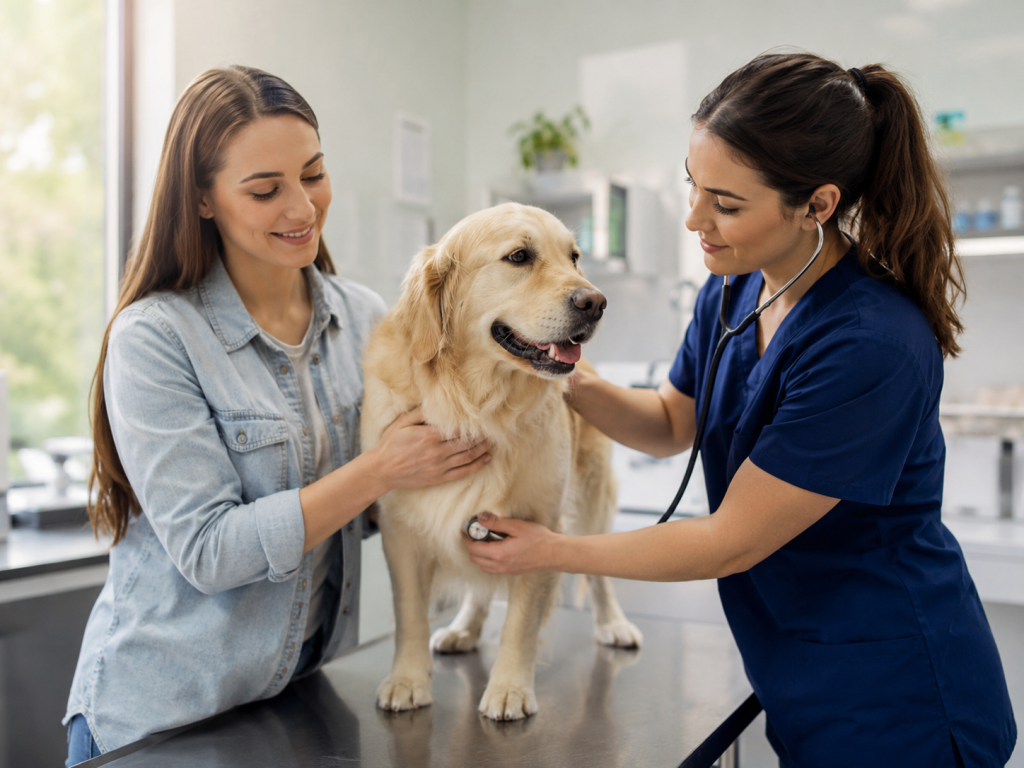
Dog health and wellness depend on much more than treating illness when it appears. Good preventive care combines regular veterinary examinations, complete nutrition, healthy body weight, exercise, dental care, vaccinations, parasite prevention, grooming, behavioral wellbeing, and careful observation of changes at home. Preventive veterinary care can identify risks and health problems before they become obvious or more difficult to manage.
Every dog is different. A puppy has very different needs from a healthy adult, while senior dogs may require closer monitoring as their risk of chronic disease increases. Breed, body size, activity, environment, reproductive status, and existing medical conditions can also affect the best wellness plan.
Knowing what is normal for your own dog is one of the most useful tools you have. Changes in appetite, thirst, urination, bowel movements, movement, weight, sleep, or behavior can sometimes be the first signs that something is wrong.
Regular Veterinary Checkups Matter
Dogs benefit from veterinary care even when they appear completely healthy.
Merck Veterinary Manual recommends at least one full veterinary checkup each year for adult dogs. Puppies usually require much more frequent appointments during their first months, while senior dogs may benefit from examinations twice yearly or more often depending on their individual health.
A wellness examination can include evaluation of body weight, body condition, heart and lungs, skin, coat, eyes, ears, mouth, joints, and other body systems. Your veterinarian can also review nutrition, behavior, parasite prevention, dental health, and vaccination needs.
AAHA recommends veterinary examinations at least annually, with frequency adjusted according to age, breed, health, lifestyle, and environment.
Preventive Care Changes Throughout a Dog’s Life
A dog’s wellness plan should evolve as the dog grows and ages.
Puppies require vaccination, parasite control, nutrition for growth, socialization, training, and frequent monitoring of development. Merck notes that puppies commonly visit a veterinarian every three to four weeks during the early months.
Healthy adults generally shift toward maintenance care focused on preventing disease, maintaining ideal body condition, preserving dental health, and detecting changes early.
Senior dogs often need closer monitoring. Age-related diseases may develop gradually, and more frequent examinations or diagnostic testing may be recommended.
Feed a Complete and Balanced Diet
Good nutrition is one of the foundations of dog wellness.
Dogs should receive a complete and balanced diet appropriate for their life stage and individual needs. Puppies require nutrition designed for growth, while most healthy adults need maintenance nutrition.
WSAVA recommends an individualized approach to nutrition because factors such as age, activity, medical history, body condition, and lifestyle influence the most appropriate feeding plan.
Do not choose food based only on attractive packaging or marketing terms. Consider nutritional adequacy, calorie content, the manufacturer’s nutritional expertise, and how well the diet works for your individual dog.
Dogs with medical conditions may require therapeutic diets recommended by a veterinarian.
Maintain a Healthy Body Weight
Preventing excessive weight gain is an important part of long-term wellness.
Overfeeding can gradually lead to obesity, especially when normal meals are combined with treats, chews, table scraps, and food used during training. Merck specifically identifies overfeeding as a common problem and recommends keeping table scraps below 10% of daily calories.
You should generally be able to feel your dog’s ribs without pressing through a thick layer of fat. However, body shape differs between breeds, so veterinary body-condition scoring is more reliable than appearance alone.
Weigh your dog periodically. Small increases may be easier to correct before they become substantial.
Measure Food Instead of Guessing
Feeding guides on packaging provide a useful starting point, but they cannot predict the exact needs of every dog.
Two dogs of the same weight may require different calorie amounts because of age, metabolism, reproductive status, activity, or health.
Measure food consistently rather than filling the bowl by eye. Remember that treats contribute calories too.
If your dog is gaining or losing weight unexpectedly despite consistent feeding, discuss the change with your veterinarian rather than simply adjusting food indefinitely without investigating the cause.
Fresh Water Should Always Be Available
Healthy dogs should normally have unrestricted access to fresh, clean water unless a veterinarian gives specific instructions for a medical reason. Merck also emphasizes maintaining access to clean drinking water.
Water requirements increase with exercise, warm weather, certain diets, and some medical conditions.
Become familiar with your dog’s usual drinking habits. Suddenly emptying the water bowl much faster than usual can be medically important.
Persistent increased thirst can occur with conditions such as diabetes, kidney disease, or hormonal disorders and deserves veterinary evaluation.
Dogs Need Regular Exercise
Exercise supports physical health, muscle condition, mobility, and emotional wellbeing.
The ideal amount varies dramatically between dogs. A young athletic working breed may need substantially more activity than an older dog with arthritis.
Walking, play, controlled running, swimming, retrieving, and other activities can all contribute when appropriate.
Exercise should be adjusted for weather and health. Dogs with orthopedic, cardiac, respiratory, or other medical conditions may require individualized limits.
Do not assume that every dog needs the same number of minutes or miles each day.
Mental Wellness Is Part of Physical Wellness
Health is not limited to the body.
Dogs benefit from opportunities to sniff, explore, learn, play, chew appropriate objects, solve simple problems, and interact socially. Mental stimulation can be incorporated through training, food puzzles, scent games, and varied walks.
Behavioral changes can sometimes also provide clues about medical problems. Merck notes that veterinary behavior screening can help establish what is normal for a dog and reveal changes that deserve investigation.
A dog that suddenly becomes withdrawn, aggressive, restless, or unwilling to participate in normal activities may need more than additional training.
Dental Health Is Easy to Overlook
A dog can continue eating despite significant dental discomfort.
Plaque, gum disease, fractured teeth, and other oral problems can cause chronic pain and infection. AAHA identifies preventive dental care as an important part of canine and feline health and quality of life.
Regular wellness visits allow the veterinarian to examine the mouth and recommend professional dental care when necessary. AAHA notes that dental disease can lead to chronic pain, infection, and damaged teeth when left untreated.
Bad breath should not automatically be accepted as normal. Drooling, dropping food, chewing differently, pawing at the mouth, or refusing harder foods also deserve attention.
Home Dental Care Can Help
Brushing with toothpaste formulated specifically for dogs is one of the most useful home dental habits when your dog tolerates it.
Start gradually. Let your dog become comfortable with facial and mouth handling before expecting a complete brushing session.
Never use human toothpaste because some products contain ingredients that pets should not swallow.
Dental chews and specialized diets may provide additional benefits in some dogs, but they should not replace veterinary assessment when dental disease is already present.
Vaccination Protects Against Serious Diseases
Vaccines can help protect dogs from infectious diseases that may cause severe illness or death.
The specific vaccines and schedule depend on age, previous vaccination, geography, lifestyle, and exposure risk. Preventive-care guidelines distinguish between vaccines broadly recommended for dogs and additional vaccines selected according to individual risk.
Puppies require a vaccine series rather than one single appointment because maternal immunity changes during early development.
Your veterinarian should determine the schedule that is appropriate for your dog rather than applying one universal protocol to every animal.
Parasite Prevention Is Part of Wellness
Fleas, ticks, intestinal worms, and heartworm can affect canine health.
Exposure risk varies according to geographic location, climate, travel, outdoor activity, and lifestyle. Preventive healthcare recommendations include routine parasite assessment and individualized prevention.
Use products designed specifically for your dog’s species and weight. Do not combine parasite treatments without professional guidance.
Regular stool testing may also be recommended because some intestinal parasites can be present without immediately causing obvious symptoms.
Grooming Helps You Monitor Health
Grooming is not only about appearance.
Brushing gives you an opportunity to examine the coat and skin for lumps, wounds, parasites, redness, hair loss, or other changes. Merck notes that routine grooming can help owners identify health problems earlier.
The required frequency depends heavily on coat type. Long, curly, dense, or continuously growing coats generally need more maintenance than short coats.
Nails also need monitoring. Excessively long nails can interfere with comfortable movement.
Check the ears, paws, and skin regularly while avoiding unnecessary aggressive cleaning.
Keep an Eye on the Skin and Coat
A healthy coat can vary greatly between breeds, but sudden changes deserve attention.
Persistent itching, licking, chewing, redness, hair loss, scabs, unusual odor, or recurrent ear problems can occur with allergies, parasites, infection, pain, and other disorders.
Do not repeatedly treat severe itching with random shampoos or home remedies without understanding the cause.
Veterinary diagnosis becomes especially important when skin problems persist or repeatedly return.
Monitor Appetite
Knowing your dog’s normal appetite can help you recognize illness earlier.
Some dogs occasionally skip a meal without becoming sick, but sudden persistent appetite loss deserves attention.
Dental disease, digestive problems, pain, infection, stress, and many systemic illnesses can alter food intake.
The situation becomes more concerning when appetite loss occurs alongside vomiting, diarrhea, lethargy, abdominal discomfort, weight loss, or changes in drinking.
Monitor Urination and Bowel Movements
Bathroom habits provide useful health information.
Notice how often your dog urinates, whether the volume changes significantly, and whether straining or discomfort appears.
Changes in stool can also reveal digestive problems. Persistent diarrhea, constipation, blood, unusually dark stool, or repeated straining deserves veterinary advice.
Sudden house-soiling in a previously house-trained dog should not automatically be treated as disobedience. Medical causes may need to be ruled out first.
Watch for Changes in Mobility
Dogs do not always show pain by crying.
A dog with joint or muscle discomfort may simply become slower, hesitate before using stairs, stop jumping into the car, lag behind on walks, or struggle to stand after sleeping.
These subtle changes are especially important in middle-aged and senior dogs.
Do not assume that slowing down is unavoidable because your dog is getting older. Arthritis, injury, and other painful conditions may be manageable with veterinary care.
Breathing Changes Can Be Serious
Become familiar with how your dog normally breathes at rest.
Heavy panting after exercise or in warm weather can be normal, but breathing difficulty while resting is different.
Rapid or labored breathing, blue or very pale gums, collapse, or obvious struggle to breathe can indicate an emergency.
Certain flat-faced breeds may have chronic respiratory limitations, but ongoing breathing difficulty should never simply be dismissed as normal for the breed.
Senior Dogs Need Closer Monitoring
Health priorities change as dogs age.
Senior dogs are more likely to develop chronic disease, mobility problems, sensory changes, dental disease, and other age-related conditions. Merck recommends veterinary examinations approximately twice yearly or more often for many dogs over 7 to 8 years old.
However, senior status does not begin at exactly the same age for every dog. Larger dogs often age differently from smaller breeds.
Monitor body weight, muscle condition, mobility, appetite, thirst, sleep, and behavior closely.
Sudden Behavior Changes Can Signal Illness
A dog that suddenly becomes aggressive, anxious, withdrawn, restless, or unusually clingy may be experiencing pain or illness.
Behavioral changes are sometimes the first signs owners notice.
This is particularly important when the dog reacts differently to being touched, refuses normal exercise, loses house-training habits, or wakes repeatedly at night.
Tell your veterinarian about behavioral changes during wellness appointments instead of treating them as completely separate from physical health.
Warning Signs That Need Veterinary Attention
Contact your veterinarian when you notice a persistent or significant change from your dog’s normal health.
Important signs include:
- Unexplained weight loss or gain
- Persistent appetite loss
- Excessive thirst
- Repeated vomiting or diarrhea
- Blood in urine or stool
- Difficulty urinating or defecating
- Persistent coughing
- Significant limping
- Severe itching
- New lumps or swelling
- Sudden behavioral changes
- Major changes in energy
- Difficulty eating or chewing
Preventive monitoring works because owners can recognize changes in normal appetite, thirst, elimination, movement, and behavior before a problem becomes more advanced.
Know What Counts as an Emergency
Some symptoms should not wait for a routine appointment.
Seek urgent veterinary care for difficulty breathing, collapse, uncontrolled bleeding, repeated seizures, severe trauma, suspected poisoning, extreme weakness, a swollen painful abdomen, or inability to urinate.
Repeated unsuccessful attempts to vomit combined with abdominal swelling can also indicate a potentially life-threatening emergency.
When you are unsure whether symptoms can safely wait, contacting a veterinary clinic for guidance is better than delaying treatment.
Build a Simple Wellness Routine at Home
Daily dog wellness does not need to be complicated.
Feed measured portions of an appropriate complete diet, provide fresh water, offer suitable exercise and mental stimulation, and pay attention to appetite and bathroom habits.
Regularly check the skin, coat, ears, paws, mouth, and general body condition.
Notice how your dog normally walks, sleeps, plays, and interacts. That familiar baseline makes unusual changes much easier to identify.
Prevention Is Better Than Waiting for Illness
One of the biggest mistakes in dog care is visiting the veterinarian only when a dog appears seriously sick.
Preventive care is designed to maintain health and identify potential problems earlier. AAHA describes preventive healthcare as a way to support both quality of life and longevity.
Routine examinations also provide opportunities to update nutritional plans, vaccinations, parasite prevention, dental care, and screening recommendations.
Early detection does not guarantee that every disease can be prevented, but it can create more options for management.
Supporting Dog Health & Wellness for Life
Good dog health and wellness comes from many small habits maintained consistently rather than one single product or treatment.
Start with regular veterinary examinations. Adult dogs should generally receive at least an annual checkup, while puppies and senior dogs often require more frequent monitoring.
Feed an appropriate complete and balanced diet, maintain healthy body condition, provide fresh water, and adapt exercise to your dog’s age and physical abilities. WSAVA emphasizes that nutrition should be individually tailored rather than identical for every pet.
Take dental health, parasite prevention, vaccinations, grooming, and emotional wellbeing seriously as well. These are not separate from health; they are part of the complete picture.
Most importantly, learn what normal looks like for your dog. Changes in appetite, thirst, urination, stool, movement, body weight, sleep, or behavior can provide early warning that something needs attention.
A strong wellness routine cannot prevent every illness, but it can give your dog the best opportunity to remain comfortable, active, and healthy throughout every stage of life.